

Colon Transit Time Study
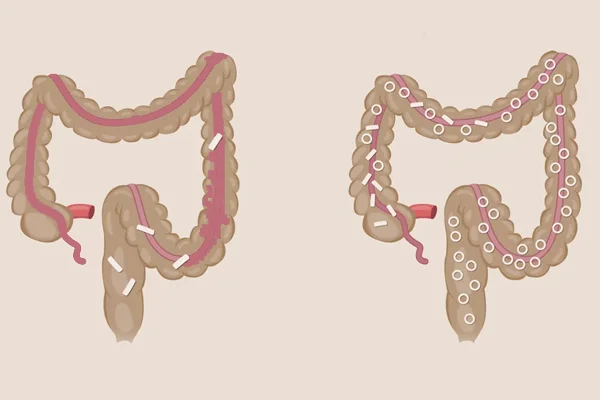
A Colon Transit Time Study in Anand Vihar is a specialized diagnostic test used to evaluate how efficiently stool moves through the large intestine (colon). It is particularly helpful for patients who experience chronic constipation, difficult bowel movements, infrequent stools, abdominal discomfort, bloating, or unexplained changes in bowel habits.
Dr. Rishi Raman provides comprehensive evaluation of gastrointestinal and functional bowel disorders, using appropriate diagnostic investigations to understand the underlying cause of persistent symptoms. A colon transit time study can help determine whether constipation is related to slow movement of stool through the colon and can assist in planning a more targeted treatment approach.
What Is a Colon Transit Time Study?
A colon transit time study measures the amount of time it takes for material to travel through the colon. The test provides information about the movement and motility of the large intestine and can help distinguish different types of constipation.
While occasional constipation is common, persistent constipation may have several causes. Some patients may have normal intestinal movement but difficulty evacuating stool, while others may have slow-transit constipation, where stool moves more slowly than expected through the colon.
Understanding the pattern of intestinal movement can help a gastroenterologist determine the most appropriate next steps.
When Is a Colon Transit Time Study Recommended?
A colon transit study may be considered when constipation is persistent, recurrent, or difficult to manage despite initial treatment.
It may be useful for patients experiencing:
- Chronic or long-standing constipation
- Infrequent bowel movements
- Difficulty passing stools
- Excessive straining during bowel movements
- Persistent abdominal bloating
- Abdominal discomfort associated with constipation
- Feeling of incomplete bowel evacuation
- Constipation that does not respond adequately to conventional treatment
- Suspected slow-transit constipation
- Unexplained changes in bowel habits
The decision to perform the test depends on the patient's symptoms, medical history and findings from the clinical evaluation.
How Does the Test Help?
The colon plays an important role in absorbing water and moving stool toward the rectum. When its movement is slower than expected, stool may remain in the colon for a longer period, contributing to constipation and associated symptoms.
A Colon Transit Time Study in Anand Vihar can provide useful information about the overall movement of stool through the colon. This can help the gastroenterologist understand whether delayed transit may be contributing to the patient's symptoms.
The results are interpreted alongside the patient's history and other investigations rather than being considered in isolation.
How Is a Colon Transit Time Study Performed?
The exact technique used for a colon transit study may vary depending on the clinical requirement and testing protocol.
In commonly used approaches, the patient takes specially designed markers that can be followed through the gastrointestinal tract using imaging at specified intervals. The location and progression of these markers help assess how quickly material is moving through the colon.
The doctor will provide specific instructions regarding:
- Preparation before the test
- Medication use
- Marker intake
- Timing of imaging or assessments
- Dietary and activity instructions
- Follow-up after the test
Patients should follow the instructions provided by their treating gastroenterologist carefully to ensure meaningful results.
What Can the Results Show?
A colon transit study can help identify patterns suggesting delayed movement through the colon. The findings may contribute to differentiating slow-transit constipation from other causes of bowel evacuation difficulty.
Depending on the results, the gastroenterologist may recommend further evaluation or an individualized management plan. In some patients, additional functional investigations such as anorectal manometry or anorectal biofeedback assessment may be considered when an evacuation disorder is suspected.
Colon Transit Study for Chronic Constipation
Chronic constipation can significantly affect a person's comfort and quality of life. Repeated use of self-medication without identifying the underlying cause may not provide a satisfactory long-term solution.
A structured evaluation can help determine whether symptoms are related to:
- Slow colonic transit
- Functional bowel disorders
- Difficulty with evacuation
- Dietary or lifestyle factors
- Medication-related constipation
- Other gastrointestinal conditions
A colon transit study may therefore be an important part of the diagnostic process in selected patients with persistent constipation.
Why Choose Dr. Rishi Raman?
Dr. Rishi Raman is a senior gastroenterologist with specialized training in Gastroenterology & Hepatology and experience in evaluating complex digestive and functional gastrointestinal disorders.
His approach focuses on understanding the patient's symptoms, selecting appropriate diagnostic tests and developing treatment plans based on clinical findings and medical evidence. For patients with persistent constipation, specialized investigations can help move beyond symptom-based treatment toward a better understanding of the underlying problem.
Comprehensive Gastrointestinal Evaluation
Colon transit assessment may be considered alongside other specialized investigations when clinically appropriate. Dr. Rishi Raman has expertise in Neuro-GI and functional gastrointestinal diagnostics, including:
- Esophageal Manometry
- Anorectal Manometry
- Anorectal Biofeedback Therapy
- Electrogastrography (EGG)
- Hydrogen Breath Testing
- Other gastrointestinal diagnostic procedures
This broader diagnostic approach can be particularly useful for patients whose digestive symptoms remain unexplained or do not improve with routine treatment.
When Should You Consult a Gastroenterologist?
If constipation continues for several weeks, repeatedly returns, or significantly interferes with daily life, a gastroenterological evaluation may be appropriate.
You should discuss your symptoms with a specialist if constipation is accompanied by persistent abdominal pain, unexplained weight loss, blood in the stool, vomiting, severe bloating, anemia, or a significant change in bowel habits.
Early evaluation can help determine whether further diagnostic testing is necessary.
Frequently Asked Questions
1. What is a Colon Transit Time Study?
A Colon Transit Time Study is a diagnostic investigation that evaluates how quickly material moves through the colon. It is commonly used while assessing certain cases of chronic or difficult-to-treat constipation.
2. Who may need a colon transit study?
It may be recommended for patients with persistent constipation, infrequent bowel movements or suspected slow-transit constipation, particularly when initial treatment has not provided adequate improvement.
3. Is a colon transit time study painful?
The test is generally designed to assess intestinal movement without an invasive procedure. Your doctor will explain the specific testing method and preparation required.
4. How long does a colon transit study take?
The duration depends on the testing protocol being used and how frequently imaging or assessments are required. Your gastroenterologist will provide a schedule specific to your test.
5. Can a colon transit study diagnose constipation?
The study can provide information about how stool moves through the colon and may help identify delayed colonic transit. The results are interpreted together with symptoms, examination and other investigations.
6. What happens after the test?
Once the results are available, Dr. Rishi Raman can review the findings with you and determine whether further investigations or a personalized treatment plan are appropriate.