

EGG
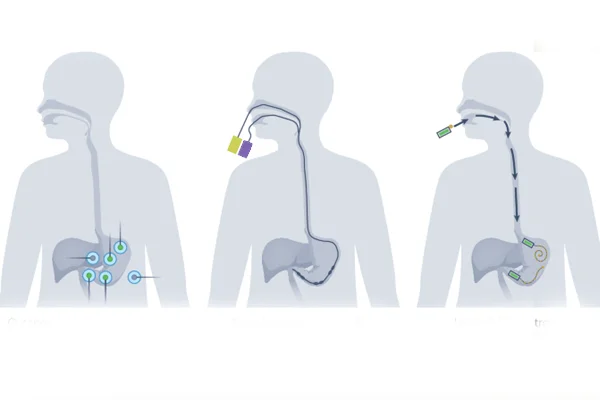
Electrogastrography (EGG) in Anand Vihar is a specialized diagnostic test used to evaluate the electrical activity and rhythm of the stomach. It can provide valuable information about gastric motility and may be considered in patients with persistent symptoms such as nausea, bloating, early fullness, indigestion and unexplained upper abdominal discomfort.
Dr. Rishi Raman, a senior gastroenterologist with expertise in gastrointestinal and functional digestive disorders, uses specialized diagnostic evaluation to understand the underlying causes of persistent digestive symptoms and develop an appropriate treatment plan.
What Is Electrogastrography?
Electrogastrography, commonly abbreviated as EGG, is a non-invasive test that records the electrical activity generated by the stomach muscles.
The stomach normally produces rhythmic electrical signals that help coordinate gastric contractions and movement of food. Changes in these electrical patterns may be associated with certain gastric motility or functional disorders.
EGG can provide additional information when routine investigations do not completely explain a patient's symptoms.
When Is EGG Recommended?
An Electrogastrography test may be considered in selected patients experiencing persistent or unexplained upper gastrointestinal symptoms, including:
- Chronic nausea
- Recurrent vomiting
- Persistent bloating
- Early satiety or feeling full quickly
- Indigestion
- Upper abdominal discomfort
- Feeling of prolonged fullness after meals
- Suspected gastric motility problems
- Functional gastrointestinal symptoms
The need for EGG is determined after a detailed clinical assessment. It may be used alongside other investigations depending on the patient's symptoms.
How Does Electrogastrography Work?
EGG is generally performed by placing specialized electrodes on the skin over the upper abdomen. These sensors detect the electrical signals produced by the stomach.
The recorded signals are then analyzed to assess gastric electrical activity and rhythm.
Because the test records signals externally, it does not require an endoscope to be inserted into the digestive tract. Your doctor will provide instructions regarding preparation, including whether fasting is required before the test.
What Does EGG Help Evaluate?
Electrogastrography can provide information about the electrical rhythm and activity of the stomach. This may help the gastroenterologist evaluate certain functional or motility-related symptoms.
EGG findings are not interpreted independently. They are considered along with:
- Patient symptoms
- Medical history
- Physical examination
- Previous investigations
- Other gastrointestinal tests
This comprehensive approach helps avoid relying on a single test when evaluating complex digestive complaints.
EGG for Gastric Motility Disorders
Gastric motility problems can affect how food moves through the stomach and may result in symptoms such as nausea, early satiety, bloating and prolonged fullness.
In selected cases, Electrogastrography in Anand Vihar can be part of a broader evaluation of gastric function. Depending on the clinical findings, additional investigations may be recommended to better understand gastric emptying or gastrointestinal motility.
Benefits of Electrogastrography
Some potential advantages of EGG include:
- Non-invasive evaluation of gastric electrical activity
- Helps assess gastric rhythm and electrical patterns
- May provide additional information in unexplained digestive symptoms
- Can complement other gastrointestinal investigations
- Useful in selected patients with suspected functional or motility disorders
- Helps support a more comprehensive diagnostic assessment
The clinical usefulness of EGG depends on the individual patient's symptoms and overall evaluation.
Preparing for an EGG Test
Preparation requirements can vary depending on the testing protocol. Patients may be advised to remain fasting for a specific period before the examination and may need to discuss their current medications with the doctor.
Before the test, inform your gastroenterologist about:
- Current medications
- Existing medical conditions
- Recent gastrointestinal investigations
- Any previous diagnosis related to gastric motility
Following the preparation instructions carefully can help ensure reliable test results.
What Happens After the Test?
After the test, the recorded gastric electrical activity is analyzed. Dr. Rishi Raman can review the findings along with your symptoms and other diagnostic results.
Depending on the overall assessment, further testing or a personalized management plan may be recommended.
Treatment is directed toward the underlying cause of symptoms rather than simply addressing individual complaints.
Why Choose Dr. Rishi Raman?
Dr. Rishi Raman is a senior gastroenterologist with MBBS, MD (Internal Medicine) and DM (Gastroenterology & Hepatology) qualifications and specialized expertise in digestive and functional gastrointestinal disorders.
His clinical approach focuses on detailed evaluation, evidence-based diagnosis and personalized treatment. His experience with specialized Neuro-GI and gastrointestinal diagnostic investigations allows patients with persistent or difficult-to-diagnose symptoms to receive a comprehensive evaluation.
Comprehensive Neuro-GI Diagnostics
EGG can be used as part of a broader functional gastrointestinal assessment. Depending on the patient's condition, Dr. Rishi Raman may consider other specialized investigations such as:
- Esophageal Manometry
- Anorectal Manometry
- Anorectal Biofeedback Therapy
- Hydrogen Breath Test
- Colon Transit Time Study
- pH Impedance Testing
The appropriate investigation is selected according to the patient's symptoms and clinical requirements.
When Should You Consult a Gastroenterologist?
Persistent nausea, vomiting, bloating, early satiety or unexplained abdominal discomfort should not always be considered simple indigestion.
If symptoms are recurrent, interfere with eating or daily activities, or do not improve with routine treatment, a gastroenterological evaluation can help identify possible underlying causes.
Frequently Asked Questions
1. What is Electrogastrography?
Electrogastrography is a non-invasive diagnostic test that records the electrical activity and rhythm of the stomach through sensors placed on the abdominal skin.
2. Why is an EGG test performed?
EGG may be recommended to evaluate certain patients with persistent nausea, bloating, early fullness, indigestion or suspected gastric motility abnormalities.
3. Is Electrogastrography painful?
No. EGG is a non-invasive test that records gastric electrical activity externally through sensors placed on the abdomen.
4. Does EGG require an endoscopy?
No. Electrogastrography does not involve inserting an endoscope into the digestive tract. It records stomach activity through external abdominal electrodes.
5. How should I prepare for an EGG test?
Preparation depends on the testing protocol. You may be asked to fast for a specific period and discuss your medications with your doctor before the test.
6. What happens if my EGG results are abnormal?
An abnormal result does not by itself establish a specific diagnosis. The findings are interpreted alongside your symptoms and other investigations to determine whether further evaluation or treatment is required.