

Colonoscopy
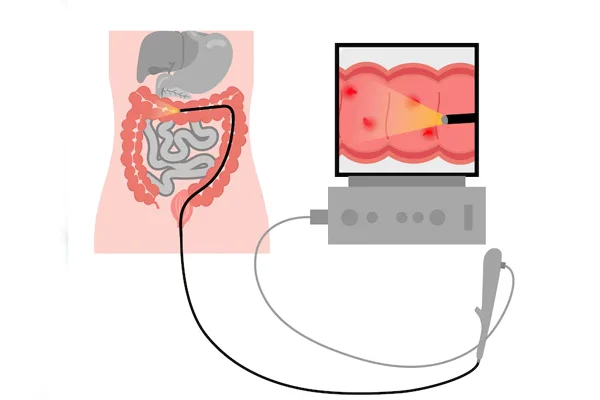
Colonoscopy in Anand Vihar is an advanced diagnostic and therapeutic procedure used to examine the inner lining of the large intestine (colon) and rectum. It can help identify the causes of persistent bowel symptoms, detect abnormalities at an early stage, and allow certain treatments to be performed during the same procedure.
Dr. Rishi Raman is a senior gastroenterologist with specialized training in Gastroenterology & Hepatology and advanced endoscopy. He provides comprehensive evaluation and management of gastrointestinal disorders with a focus on patient comfort, accurate diagnosis and evidence-based care.
What Is a Colonoscopy?
A colonoscopy is an endoscopic procedure in which a thin, flexible tube with a small camera is gently passed through the rectum to examine the colon.
It allows the gastroenterologist to directly evaluate the intestinal lining and identify abnormalities that may not be detected through routine tests.
Colonoscopy may be used for both diagnosis and treatment, depending on the findings.
What Is Colonoscopy?
colonoscopy involves the use of appropriate sedation or anesthesia support to minimize discomfort and anxiety during the procedure.
The type and level of sedation are selected according to the patient's medical condition, procedure requirements and clinical assessment.
With appropriate monitoring and preparation, the procedure can be performed in a more comfortable environment while allowing the doctor to carefully examine the entire colon.
When Is Colonoscopy Recommended?
A colonoscopy may be recommended for patients experiencing persistent or unexplained gastrointestinal and bowel symptoms, including:
- Persistent constipation
- Chronic diarrhea
- Blood in the stool
- Unexplained abdominal pain
- Persistent changes in bowel habits
- Unexplained weight loss
- Iron-deficiency anemia
- Suspected inflammatory bowel disease
- Suspected colorectal polyps
- Evaluation of abnormal gastrointestinal test results
- Screening or surveillance when medically appropriate
The decision to undergo colonoscopy depends on age, symptoms, medical history, risk factors and the doctor's clinical assessment.
What Can a Colonoscopy Detect?
A detailed colonoscopic examination can help identify various abnormalities of the large intestine, including:
- Colon polyps
- Inflammatory changes
- Ulcers
- Sources of gastrointestinal bleeding
- Inflammatory bowel disease-related changes
- Diverticular disease
- Certain abnormal growths
- Other structural abnormalities
When required, tissue samples can be taken for further laboratory evaluation.
Colonoscopy for Polyp Detection
One of the important advantages of colonoscopy is its ability to detect and, in selected cases, remove colorectal polyps during the same procedure.
Some types of polyps can potentially develop into colorectal cancer over time. Detecting and removing appropriate polyps can therefore play an important role in colorectal disease prevention.
Dr. Rishi Raman also provides polypectomy, allowing suitable polyps to be removed endoscopically when clinically indicated.
How Is Colonoscopy Performed?
Before the procedure, the patient's medical history, medications and overall health are reviewed.
1. Bowel Preparation
The colon needs to be adequately cleaned before the examination. Patients are given specific instructions regarding bowel preparation, diet and fluid intake.
2. Sedation
Appropriate sedation may be provided to improve comfort and reduce anxiety during the examination.
3. Colon Examination
The flexible colonoscope is carefully introduced through the rectum and advanced through the colon. The camera provides a magnified view of the intestinal lining.
4. Diagnostic or Therapeutic Procedure
If an abnormality is identified, the doctor may perform procedures such as biopsy or polypectomy, depending on the clinical situation.
5. Recovery
After the procedure, the patient is monitored during recovery and receives instructions regarding diet, medication and follow-up.
Benefits of Colonoscopy
colonoscopy can provide several important benefits:
- Improved patient comfort
- Detailed examination of the colon
- Detection of polyps and other abnormalities
- Identification of possible bleeding sources
- Ability to collect tissue samples
- Removal of selected polyps during the procedure
- Supports evaluation of unexplained bowel symptoms
- Can assist in colorectal disease screening and surveillance
Preparing for a Colonoscopy
Proper bowel preparation is essential for obtaining a clear view of the colon.
Patients may be advised to:
- Follow a specific diet before the procedure
- Take prescribed bowel-cleansing medication
- Drink adequate clear fluids as instructed
- Follow fasting instructions
- Discuss current medications with the doctor
- Inform the medical team about allergies and existing health conditions
Blood-thinning medications and certain other medicines may require specific instructions from the treating doctor. Do not stop prescribed medication without medical advice.
What Happens After Colonoscopy?
After the procedure, patients are observed during recovery, particularly if sedation has been used.
Temporary bloating or mild abdominal discomfort can occur due to air introduced during the examination. These symptoms generally settle with time.
If sedation has been administered, patients may need an accompanying person and should avoid driving until medically advised.
If a biopsy or polypectomy has been performed, the doctor will provide additional instructions and explain when results may be available.
Why Choose Dr. Rishi Raman?
Dr. Rishi Raman is a senior gastroenterologist with MBBS, MD (Internal Medicine) and DM (Gastroenterology & Hepatology) qualifications and specialized training in advanced endoscopy.
His procedural expertise includes Colonoscopy, Endoscopy, ERCP, EUS, Polypectomy, Foreign Body Removal, Bleeder Endoscopy and other advanced gastrointestinal interventions.
His patient-first approach focuses on appropriate procedure selection, careful evaluation and evidence-based treatment while prioritizing patient comfort and safety.
Comprehensive Gastrointestinal Care
Colonoscopy may be part of a broader evaluation for patients with gastrointestinal symptoms. Depending on the clinical requirement, Dr. Rishi Raman also provides care for:
- IBS
- IBD
- Gastrointestinal bleeding
- Chronic constipation
- Liver disorders
- Hepatopancreatobiliary conditions
- Functional gastrointestinal disorders
- Gastrointestinal motility disorders
When necessary, specialized investigations such as anorectal manometry, colon transit studies, breath testing and other Neuro-GI evaluations may also be considered.
When Should You Consult a Gastroenterologist?
You should consider a gastroenterology consultation if you experience persistent changes in bowel habits, blood in the stool, unexplained abdominal pain, chronic diarrhea, constipation, unexplained weight loss or other ongoing digestive symptoms.
A colonoscopy may be recommended when direct examination of the colon is required to identify the cause of symptoms or evaluate a suspected abnormality.
Frequently Asked Questions
1. Is a painless colonoscopy really painless?
Sedation or anesthesia support can significantly reduce discomfort and anxiety during colonoscopy. The exact sedation approach depends on the patient's condition and procedure requirements.
2. How should I prepare for a colonoscopy?
You will usually need to follow specific dietary instructions and take a bowel-cleansing preparation before the procedure. Your doctor will provide detailed preparation instructions.
3. Can polyps be removed during colonoscopy?
Yes. Suitable polyps can often be removed during the same procedure through polypectomy, depending on their size, location and characteristics.
4. How long does a colonoscopy take?
The examination itself is generally completed within a relatively short period, but the total appointment may take longer because of preparation, sedation and recovery.
5. Can a colonoscopy detect cancer?
Colonoscopy can identify suspicious abnormalities and polyps that may require further evaluation. If necessary, biopsies can be taken for laboratory examination.
6. Can I go home after a painless colonoscopy?
Many patients can go home after appropriate recovery and observation. If sedation has been used, you may need someone to accompany you and should follow all post-procedure instructions.