

IBD Care
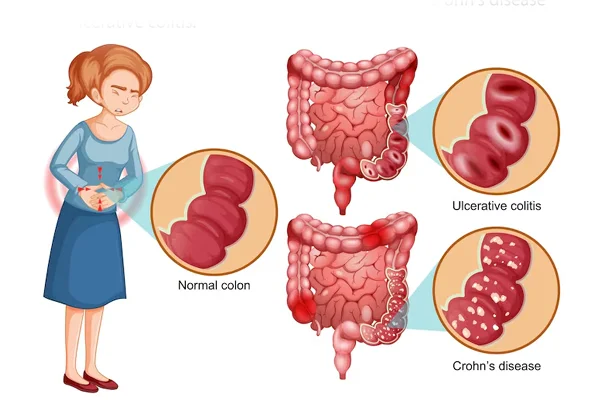
IBD Care in Anand Vihar focuses on the comprehensive diagnosis and long-term management of Inflammatory Bowel Disease (IBD), a group of chronic conditions that cause inflammation in the digestive tract. The two major forms of IBD are Crohn’s disease and ulcerative colitis.
Dr. Rishi Raman is a senior gastroenterologist specializing in Gastroenterology & Hepatology, with experience in managing complex gastrointestinal disorders. His approach to IBD care focuses on accurate diagnosis, assessment of disease activity, personalized treatment and long-term monitoring.
What Is Inflammatory Bowel Disease?
Inflammatory Bowel Disease is a chronic condition in which the immune system contributes to ongoing inflammation within the gastrointestinal tract.
The two main types are:
Crohn’s Disease
Crohn’s disease can affect different parts of the digestive tract and may involve inflammation extending deeper into the intestinal wall. Symptoms and disease severity can vary significantly between patients.
Ulcerative Colitis
Ulcerative colitis primarily affects the colon and rectum, causing inflammation of the inner lining of the large intestine. It may lead to symptoms such as frequent stools, urgency and rectal bleeding.
Both conditions require individualized evaluation and ongoing medical care.
Common Symptoms of IBD
IBD symptoms can vary depending on the type and severity of inflammation.
Common symptoms include:
- Persistent diarrhea
- Blood or mucus in stools
- Abdominal pain or cramping
- Frequent bowel movements
- Urgency to pass stools
- Unexplained weight loss
- Reduced appetite
- Fatigue
- Fever during active inflammation
- Bloating or digestive discomfort
Some patients may also experience symptoms outside the digestive tract, including certain joint, skin or eye problems.
When Should You Seek IBD Evaluation?
Persistent digestive symptoms should not always be attributed to a routine stomach infection or IBS.
A gastroenterology evaluation may be recommended when a patient has:
- Recurrent blood in stools
- Persistent diarrhea
- Unexplained weight loss
- Repeated abdominal pain
- Frequent bowel urgency
- Symptoms that repeatedly return
- Unexplained anemia
- Elevated inflammatory markers
- A family history of IBD
Early and appropriate evaluation can help identify inflammation and determine the most suitable treatment strategy.
How Is IBD Diagnosed?
There is no single test that diagnoses every case of IBD. Diagnosis generally involves combining the patient's symptoms, medical history, examination and appropriate investigations.
Depending on the clinical situation, evaluation may include:
- Blood tests
- Stool tests
- Colonoscopy
- Biopsy
- Imaging studies
- Other gastrointestinal investigations
Colonoscopy plays an important role in evaluating the colon and identifying inflammatory changes. Tissue samples may also be taken during the procedure for microscopic examination.
IBD Treatment in Anand Vihar
The goal of IBD treatment is to control inflammation, achieve and maintain remission, prevent complications and improve quality of life.
Treatment is selected according to the type of IBD, disease severity, location, previous treatment response and overall health.
Depending on the individual case, management may include:
- Medical therapy
- Anti-inflammatory treatment
- Immunomodulatory medicines
- Biologic therapies
- Nutritional support
- Symptom management
- Regular disease monitoring
- Endoscopic assessment when required
Medication should always be selected and adjusted under specialist medical supervision.
Importance of Long-Term IBD Management
IBD is generally a long-term condition that may involve periods of active disease and remission. Regular follow-up is important even when symptoms improve.
Ongoing monitoring can help the doctor:
- Assess disease activity
- Evaluate treatment response
- Detect recurrence or worsening inflammation
- Monitor nutritional health
- Identify potential complications
- Adjust treatment when required
- Plan appropriate endoscopic surveillance
The treatment plan may change over time depending on how the disease responds.
Role of Colonoscopy in IBD Care
Colonoscopy is an important tool for evaluating patients with suspected or established IBD.
It can help assess:
- Extent of inflammation
- Severity of disease
- Healing of the intestinal lining
- Ulceration
- Strictures or other abnormalities
- Response to treatment
Biopsies taken during colonoscopy can provide additional information about microscopic inflammation.
IBD and Nutrition
Nutrition can become an important part of IBD management, particularly during periods of active disease.
Some patients may experience reduced appetite, altered food tolerance or nutritional deficiencies. A personalized dietary approach may therefore be considered alongside medical treatment.
Patients should avoid unnecessarily restrictive diets without professional guidance, as excessive dietary restriction can sometimes lead to nutritional deficiencies.
IBD and Quality of Life
IBD can affect more than just digestive health. Frequent bowel movements, urgency, abdominal discomfort and fatigue may interfere with work, travel, social activities and daily routines.
Effective disease management aims not only to control inflammation but also to help patients maintain a better quality of life and normal daily functioning.
Why Choose Dr. Rishi Raman?
Dr. Rishi Raman is a senior gastroenterologist with MBBS, MD (Internal Medicine) and DM (Gastroenterology & Hepatology) qualifications.
He has expertise in managing complex gastrointestinal disorders, including IBD, IBS, GERD and hepatopancreatobiliary conditions, along with advanced endoscopic procedures.
His patient-first approach focuses on detailed assessment, evidence-based treatment and long-term monitoring to provide comprehensive care for patients living with chronic digestive disorders.
Comprehensive IBD & Gastrointestinal Care
Depending on the patient's condition, Dr. Rishi Raman provides access to a broad range of gastrointestinal services, including:
- Colonoscopy
- Colonoscopy
- Endoscopy
- Endoscopy
- Polypectomy
- IBD evaluation and management
- Bowel Ultrasound (IUS)
- Anorectal Manometry
- Colon Transit Time Study
- Advanced gastrointestinal diagnostics
This allows the diagnostic and treatment approach to be tailored according to the patient's individual needs.
When Should You Consult a Gastroenterologist?
If you experience persistent diarrhea, blood in stools, unexplained weight loss, recurrent abdominal pain or frequent bowel urgency, a specialist evaluation may be appropriate.
Patients already diagnosed with IBD should also maintain regular follow-up to monitor disease activity and treatment response.
Frequently Asked Questions
1. What is IBD?
IBD stands for Inflammatory Bowel Disease. It primarily includes Crohn’s disease and ulcerative colitis, both of which cause chronic inflammation within the digestive tract.
2. What are the common symptoms of IBD?
Common symptoms include persistent diarrhea, abdominal pain, blood or mucus in stools, bowel urgency, weight loss, fatigue and changes in bowel habits.
3. Can IBD be completely cured?
IBD is generally considered a chronic condition. However, appropriate treatment can help control inflammation, achieve remission and reduce the risk of complications.
4. Is colonoscopy necessary for IBD?
Colonoscopy may be recommended to diagnose IBD, assess disease activity, evaluate treatment response or monitor the intestinal lining. The need and timing depend on the individual case.
5. Can IBD affect areas outside the intestine?
Yes. Some patients with IBD may develop problems involving areas such as the joints, skin or eyes. These are known as extraintestinal manifestations.
6. How is IBD treatment decided?
Treatment depends on the type and severity of IBD, location of inflammation, symptoms, previous treatment response and overall health. Dr. Rishi Raman develops treatment recommendations based on the individual clinical assessment.