

IBS Care
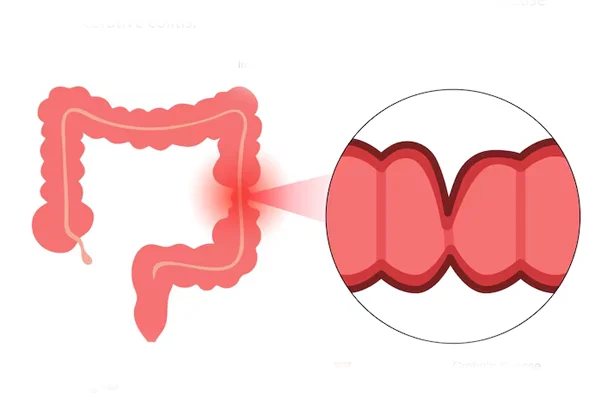
IBS Care in Anand Vihar focuses on the diagnosis, evaluation and long-term management of Irritable Bowel Syndrome (IBS), a common functional gastrointestinal disorder that can cause recurring abdominal pain, bloating and changes in bowel habits.
Dr. Rishi Raman is a senior gastroenterologist with specialized training in Gastroenterology & Hepatology and expertise in functional and complex gastrointestinal disorders. His approach focuses on understanding individual symptoms, identifying possible triggers, ruling out other gastrointestinal conditions and developing a personalized management plan.
What Is Irritable Bowel Syndrome?
Irritable Bowel Syndrome (IBS) is a disorder involving the interaction between the digestive system and the nervous system. It can affect how the intestine functions and may cause recurrent digestive symptoms.
IBS can present differently from one person to another. Some patients primarily experience constipation, while others have frequent loose stools or alternating bowel patterns.
Importantly, IBS is different from inflammatory bowel diseases such as Crohn's disease and ulcerative colitis. A proper medical evaluation is therefore important when symptoms are persistent or concerning.
Common Symptoms of IBS
IBS symptoms can vary in severity and frequency. Common symptoms include:
- Recurrent abdominal pain or cramping
- Bloating
- Excessive gas
- Constipation
- Diarrhea
- Alternating constipation and diarrhea
- Changes in stool consistency
- Urgency to pass stools
- Feeling of incomplete bowel evacuation
- Symptoms related to bowel movements
Symptoms may fluctuate over time and can sometimes worsen after certain foods, during periods of stress or following changes in routine.
Types of IBS
IBS is often categorized according to the predominant bowel pattern.
IBS with Constipation
Patients may experience hard stools, infrequent bowel movements and difficulty passing stools.
IBS with Diarrhea
Patients may experience frequent loose or watery stools, urgency and abdominal discomfort.
Mixed IBS
Some patients experience alternating episodes of constipation and diarrhea.
Understanding the predominant pattern helps the gastroenterologist develop a more suitable treatment strategy.
When Should You Consult a Gastroenterologist?
Occasional bloating or changes in bowel habits may not always indicate IBS. However, persistent or recurring symptoms should be medically evaluated.
A gastroenterology consultation may be appropriate if you experience:
- Recurrent abdominal pain
- Persistent bloating
- Chronic constipation
- Recurrent diarrhea
- Alternating bowel habits
- Persistent changes in stool pattern
- Symptoms that interfere with daily activities
- Digestive symptoms that repeatedly return despite basic treatment
Certain warning symptoms, such as blood in stools, unexplained weight loss, persistent vomiting, anemia or significant changes in bowel habits, require appropriate medical evaluation rather than assuming the symptoms are due to IBS.
How Is IBS Diagnosed?
There is no single test that confirms every case of IBS. Diagnosis is generally based on the patient's symptoms, medical history, physical examination and appropriate investigations.
The doctor may recommend selected tests to rule out other conditions that can produce similar symptoms.
Depending on the clinical presentation, evaluation may include:
- Blood tests
- Stool investigations
- Colonoscopy when indicated
- Breath testing
- Gastrointestinal motility testing
- Other specialized investigations
The purpose of these investigations is to establish an appropriate diagnosis and avoid overlooking another gastrointestinal condition.
IBS Treatment in Anand Vihar
There is no single treatment that works for every patient with IBS. Management is individualized according to the patient's predominant symptoms, triggers, lifestyle and overall health.
IBS management may include:
- Dietary modifications
- Lifestyle changes
- Appropriate medications
- Constipation management
- Diarrhea management
- Bloating and gas management
- Stress and symptom management
- Treatment of associated functional digestive symptoms
- Regular follow-up when required
The objective is to reduce symptom severity, improve bowel function and help patients maintain a better quality of life.
Role of Diet in IBS Management
Food can influence IBS symptoms in some patients, although triggers vary considerably between individuals.
Depending on the symptoms, a doctor may recommend identifying specific dietary triggers and making appropriate changes rather than following unnecessarily restrictive diets.
Some patients may benefit from structured dietary approaches under professional guidance.
Keeping a food and symptom diary can also help identify patterns between certain foods and digestive symptoms.
IBS and Stress
The digestive system and nervous system are closely connected. Stress and emotional changes may influence gastrointestinal function and can worsen symptoms in some people with IBS.
This does not mean that IBS symptoms are imaginary or simply caused by stress. Rather, the gut-brain interaction can influence bowel movement, sensitivity and digestive symptoms.
A comprehensive IBS management plan may therefore consider both digestive and lifestyle factors.
Advanced Diagnostic Evaluation for IBS
When symptoms are persistent, complex or difficult to explain, specialized gastrointestinal investigations may be considered.
Dr. Rishi Raman has expertise in Neuro-GI and functional gastrointestinal diagnostics, including:
- Electrogastrography (EGG)
- Colon Transit Time Study
- Anorectal Manometry
- Esophageal Manometry
- Hydrogen Breath Testing
- pH Impedance Testing
The appropriate test is selected based on the patient's symptoms and clinical findings.
IBS vs IBD
IBS and IBD have similar-sounding names but are different conditions.
IBS is generally considered a functional gastrointestinal disorder and does not cause the same type of intestinal inflammation seen in IBD.
IBD, which includes Crohn's disease and ulcerative colitis, involves chronic inflammation of the gastrointestinal tract.
Because symptoms can overlap, persistent or concerning digestive symptoms should be evaluated by a gastroenterologist.
Why Choose Dr. Rishi Raman?
Dr. Rishi Raman is a senior gastroenterologist with MBBS, MD (Internal Medicine) and DM (Gastroenterology & Hepatology) qualifications.
He has clinical expertise in IBS, IBD, GERD, gastrointestinal motility disorders, liver diseases and complex digestive conditions.
His patient-first approach focuses on understanding the complete clinical picture rather than treating individual symptoms in isolation. Appropriate diagnostic investigations are recommended when necessary, followed by an individualized treatment plan.
Comprehensive Functional Gastrointestinal Care
Patients with IBS may sometimes have overlapping digestive concerns such as reflux, constipation, bloating or motility problems.
Dr. Rishi Raman provides comprehensive evaluation through services including:
- IBS Care
- IBD Care
- Colon Transit Time Study
- Electrogastrography
- Anorectal Manometry
- Anorectal Biofeedback Therapy
- Esophageal Manometry
- Hydrogen Breath Test
- Urea Breath Test for H. pylori
This allows the diagnostic approach to be tailored according to the patient's individual symptoms.
When Should You Seek Immediate Medical Evaluation?
While IBS is generally not considered a life-threatening condition, certain symptoms should not simply be attributed to IBS.
Seek medical evaluation for symptoms such as blood in the stool, unexplained weight loss, persistent vomiting, severe abdominal pain, fever, anemia or a new significant change in bowel habits.
These symptoms may require evaluation for other gastrointestinal conditions.
Frequently Asked Questions
1. What is IBS?
IBS, or Irritable Bowel Syndrome, is a functional gastrointestinal disorder that can cause recurrent abdominal pain, bloating and changes in bowel habits such as constipation, diarrhea or both.
2. Can IBS be cured permanently?
IBS is usually managed rather than permanently cured. With the right combination of dietary, lifestyle and medical measures, many patients can achieve significant and sustained symptom improvement.
3. Is IBS the same as IBD?
No. IBS and IBD are different conditions. IBD includes Crohn's disease and ulcerative colitis and involves intestinal inflammation, while IBS is primarily a functional gastrointestinal disorder.
4. What foods should I avoid with IBS?
IBS triggers vary from person to person. Rather than eliminating large groups of foods without guidance, it is better to identify individual triggers with the help of a healthcare professional.
5. Can stress worsen IBS symptoms?
Yes. Stress can influence the gut-brain interaction and may worsen digestive symptoms in some patients. Managing stress can be an important part of comprehensive IBS care.
6. When should I see a gastroenterologist for IBS?
You should consult a gastroenterologist if symptoms are persistent, recurrent, significantly affecting daily life or not improving with routine measures, particularly if warning symptoms are also present.