

Bowel Ultrasound IUS
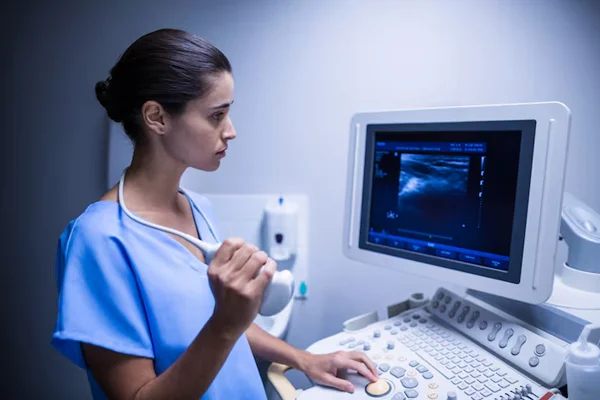
Bowel Ultrasound (IUS) in Anand Vihar, also known as Intestinal Ultrasound, is a non-invasive imaging technique used to evaluate the bowel wall and surrounding intestinal structures. It can be particularly useful in assessing inflammatory bowel disease (IBD) and monitoring changes in intestinal inflammation without radiation or invasive endoscopy.
For suitable patients, IUS can provide valuable information alongside clinical assessment, laboratory tests, colonoscopy and other gastrointestinal investigations. Under the care of Dr. Rishi Raman, bowel ultrasound may be considered as part of a comprehensive approach to diagnosing and monitoring digestive and inflammatory bowel conditions.
What Is Bowel Ultrasound (IUS)?
Intestinal Ultrasound uses high-frequency sound waves to create real-time images of the intestinal wall and nearby structures.
Unlike CT scans and X-rays, ultrasound does not use ionizing radiation. It can therefore be useful when repeated assessment of intestinal inflammation is required, particularly in patients who need ongoing monitoring.
IUS may help assess features such as:
- Bowel wall thickness
- Changes in bowel wall structure
- Increased blood flow associated with inflammation
- Certain complications around the bowel
- Changes in inflammatory bowel disease activity
When Is Intestinal Ultrasound Recommended?
Bowel ultrasound may be considered for patients with:
- Crohn's disease
- Ulcerative colitis in selected situations
- Suspected intestinal inflammation
- Abdominal pain associated with inflammatory conditions
- Persistent diarrhea
- Changes in bowel habits
- Known IBD requiring disease monitoring
- Suspected complications involving the intestine
The exact usefulness of IUS depends on the symptoms, suspected condition and part of the bowel being evaluated.
Bowel Ultrasound for IBD Monitoring
One of the important applications of Intestinal Ultrasound in Anand Vihar is monitoring inflammatory bowel disease.
Patients with Crohn's disease or ulcerative colitis may require repeated assessment over time. IUS can provide information about bowel inflammation without requiring an invasive procedure every time.
It may help the gastroenterologist evaluate whether intestinal inflammation appears to be:
- Improving
- Persistent
- Worsening
- Associated with structural changes
IUS findings are interpreted along with symptoms, blood tests, stool markers and other investigations rather than being used in isolation.
How Is Bowel Ultrasound Performed?
Bowel ultrasound is generally performed by placing an ultrasound probe over the abdomen.
The procedure typically involves:
- The patient is positioned comfortably.
- Ultrasound gel is applied to the abdominal area.
- The ultrasound probe is moved over different areas of the abdomen.
- Images of the bowel and surrounding structures are obtained.
- The findings are assessed in the context of the patient's clinical condition.
It is generally well tolerated and does not require an incision or insertion of an endoscope.
Benefits of Bowel Ultrasound
For appropriately selected patients, IUS may offer several advantages:
- Non-invasive evaluation
- No ionizing radiation
- Generally well tolerated
- Real-time assessment of bowel structures
- Useful for repeated monitoring
- Can complement endoscopy and other diagnostic tests
- May provide information about intestinal inflammation
The test's suitability depends on the clinical question and the patient's individual condition.
Bowel Ultrasound vs Colonoscopy
Bowel ultrasound and colonoscopy serve different purposes.
Bowel ultrasound provides imaging information about the bowel wall and surrounding tissues without inserting an endoscope.
Colonoscopy allows direct visualization of the inner lining of the colon and can also enable biopsies, polyp removal and certain therapeutic procedures.
For some patients, IUS can complement colonoscopy by providing a convenient method for monitoring disease activity between invasive investigations.
Is Any Preparation Required?
Preparation requirements can vary depending on the reason for the examination and the clinical protocol being followed.
Patients may receive instructions regarding:
- Food and fluid intake before the examination
- Current medications
- Existing gastrointestinal symptoms
- Previous investigations
- Other medical conditions
It is important to follow the specific preparation instructions provided by the treating team.
What Conditions Can IUS Help Evaluate?
Bowel ultrasound is particularly valuable in the assessment and monitoring of inflammatory bowel conditions. Depending on the clinical situation, it may also provide useful information about other bowel-related abnormalities.
It can be incorporated into the evaluation of patients experiencing:
- Abdominal pain
- Chronic diarrhea
- Recurrent bowel symptoms
- Suspected intestinal inflammation
- Known Crohn's disease
- Other conditions requiring assessment of bowel-wall changes
Further testing may be recommended if ultrasound findings require additional clarification.
Why Choose Dr. Rishi Raman for Bowel Ultrasound in Anand Vihar?
Dr. Rishi Raman is a senior gastroenterologist specializing in complex gastrointestinal, digestive and liver disorders.
For patients seeking Bowel Ultrasound (IUS) in Anand Vihar, he provides a comprehensive clinical assessment before recommending appropriate diagnostic investigations. IUS findings can be considered alongside endoscopy, colonoscopy, laboratory investigations and specialized gastrointestinal testing when required.
His patient-first, evidence-based approach focuses on identifying the underlying cause of symptoms and developing an individualized diagnostic and treatment plan.
Comprehensive IBD & Digestive Care
Patients with inflammatory bowel disease may require ongoing monitoring rather than a one-time investigation. Depending on the condition, comprehensive care may involve:
- Clinical evaluation
- Blood and stool investigations
- Intestinal ultrasound
- Colonoscopy
- Biopsy
- Medication management
- Nutritional guidance
- Regular disease monitoring
The appropriate combination of investigations depends on disease severity, symptoms and treatment response.
When Should You Consult a Gastroenterologist?
Consider consulting a gastroenterologist if you experience:
- Persistent abdominal pain
- Chronic or recurrent diarrhea
- Blood or mucus in stools
- Unexplained changes in bowel habits
- Unexplained weight loss
- Recurrent digestive symptoms
- Known IBD requiring disease monitoring
Timely evaluation can help identify inflammatory or structural bowel problems and guide appropriate treatment.
FAQs About Bowel Ultrasound (IUS) in Anand Vihar
01. What is bowel ultrasound?
Bowel ultrasound, or Intestinal Ultrasound (IUS), is a non-invasive imaging test that uses sound waves to evaluate the bowel wall and surrounding intestinal structures.
02. Is bowel ultrasound painful?
IUS is generally well tolerated and does not require insertion of an endoscope. Some pressure may be applied to the abdomen during the examination.
03. Can bowel ultrasound detect Crohn's disease?
IUS can provide useful information about bowel-wall changes associated with Crohn's disease. However, diagnosis and treatment decisions usually require consideration of symptoms, laboratory tests and other investigations.
04. Can IUS replace colonoscopy?
Not always. Colonoscopy provides direct visualization of the intestinal lining and allows biopsies or therapeutic procedures. IUS and colonoscopy can complement each other depending on the patient's clinical needs.
05. Does bowel ultrasound use radiation?
No. Ultrasound uses sound waves rather than ionizing radiation, making it suitable for repeated assessment when clinically appropriate.
06. Where can I get Bowel Ultrasound in Anand Vihar?
Patients looking for Bowel Ultrasound (IUS) in Anand Vihar can consult Dr. Rishi Raman for a detailed evaluation and to determine whether intestinal ultrasound is appropriate for their symptoms or ongoing gastrointestinal condition.