

EVL
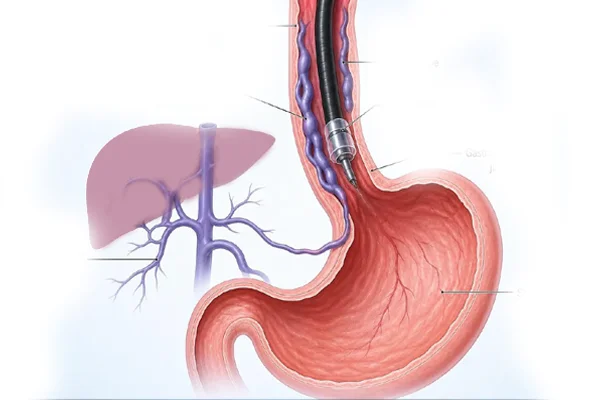
Endoscopic Variceal Ligation (EVL) in Anand Vihar is an advanced endoscopic procedure used primarily to treat esophageal varices, which are enlarged veins in the esophagus that can develop due to increased pressure in the portal venous system, often associated with advanced liver disease.
EVL can help control active variceal bleeding and may also be performed to reduce the risk of future bleeding in appropriately selected patients. Dr. Rishi Raman, a senior gastroenterologist, provides comprehensive evaluation and endoscopic management for patients with liver disease and gastrointestinal bleeding.
What Are Esophageal Varices?
Esophageal varices are enlarged veins that develop in the lower part of the esophagus when blood flow through the liver becomes restricted, causing increased pressure in the portal vein system.
They are commonly associated with conditions such as:
- Liver cirrhosis
- Portal hypertension
- Chronic liver diseases
- Certain conditions affecting portal blood flow
Varices may not cause symptoms until they bleed. Variceal bleeding can be a medical emergency and requires immediate medical attention.
What Is Endoscopic Variceal Ligation?
Endoscopic Variceal Ligation, commonly called EVL or band ligation, is an endoscopic technique in which small elastic bands are placed around bleeding or high-risk esophageal varices.
The bands restrict blood flow through the targeted varices, causing them to shrink and eventually disappear.
The procedure is performed using an endoscope that allows the gastroenterologist to visualize the esophagus and accurately treat the varices.
When Is EVL Recommended?
EVL may be recommended for selected patients with:
- Bleeding esophageal varices
- High-risk esophageal varices
- Portal hypertension associated with liver disease
- Recurrent variceal bleeding
- Patients requiring endoscopic prevention of variceal hemorrhage
The treatment plan depends on the severity of liver disease, size and appearance of varices, previous bleeding episodes and the patient's overall medical condition.
How Is Endoscopic Variceal Ligation Performed?
The procedure generally involves:
- A flexible endoscope is introduced through the mouth.
- The esophagus is examined carefully.
- Varices are identified and assessed.
- A specialized banding device is positioned over the targeted varix.
- A small elastic band is released around the varix.
- The band reduces blood flow through the varix.
- Additional bands may be placed on other appropriate varices.
The procedure is performed by an experienced gastroenterologist using appropriate monitoring and sedation when required.
EVL for Variceal Bleeding
Bleeding from esophageal varices can cause symptoms such as:
- Vomiting blood
- Black, tarry stools
- Weakness or dizziness
- Fainting
- Rapid heartbeat
- Low blood pressure
Vomiting blood or passing black stools in a patient with liver disease requires urgent medical evaluation.
When variceal bleeding occurs, treatment may involve endoscopic therapy such as EVL along with medications, resuscitation and other interventions according to the patient's condition.
Benefits of EVL
For appropriately selected patients, EVL can:
- Treat bleeding esophageal varices
- Help prevent recurrent variceal bleeding
- Reduce blood flow through targeted varices
- Provide a minimally invasive endoscopic treatment option
- Avoid the need for traditional open surgery for the banding procedure
EVL is generally performed as part of a broader management plan for portal hypertension and the underlying liver disease.
Does EVL Require Multiple Sessions?
In many patients, varices may require more than one treatment session. Follow-up endoscopy may be recommended to assess the response and determine whether additional varices require treatment.
The number and timing of sessions depend on:
- Variceal size
- Previous bleeding
- Response to treatment
- Severity of portal hypertension
- Underlying liver disease
- Overall clinical condition
Your gastroenterologist will determine the appropriate follow-up schedule.
Recovery After EVL
After the procedure, some patients may experience temporary symptoms such as:
- Mild throat discomfort
- Difficulty swallowing
- Chest discomfort
- Temporary changes in eating comfort
Your doctor may provide specific dietary and medication instructions after treatment.
Severe chest pain, significant difficulty swallowing, vomiting blood or black stools after the procedure requires prompt medical evaluation.
EVL and Liver Disease Management
Treating varices is only one component of managing portal hypertension. Patients with cirrhosis or significant liver disease may require ongoing assessment of:
- Liver function
- Portal hypertension
- Varices
- Ascites
- Nutritional status
- Risk of further complications
A comprehensive liver-care plan can help address both immediate complications and long-term disease management.
Why Choose Dr. Rishi Raman for EVL in Anand Vihar?
Dr. Rishi Raman is a senior gastroenterologist with expertise in advanced endoscopic procedures and the management of complex gastrointestinal and liver disorders.
For patients seeking EVL in Anand Vihar, he provides detailed assessment of the underlying liver condition, portal hypertension and gastrointestinal symptoms before recommending appropriate endoscopic treatment.
His expertise in advanced procedures including Endoscopy, Colonoscopy, ERCP and EUS supports comprehensive gastroenterology and hepatology care.
When Should You Seek Immediate Medical Attention?
Patients with known liver disease should seek urgent medical attention if they develop:
- Vomiting blood
- Black or tarry stools
- Severe dizziness or fainting
- Sudden weakness
- Confusion
- Signs of significant blood loss
Variceal bleeding can become life-threatening quickly and requires emergency medical management.
FAQs About EVL in Anand Vihar
01. What is EVL?
EVL stands for Endoscopic Variceal Ligation. It is an endoscopic treatment in which elastic bands are placed around esophageal varices to reduce blood flow and control or prevent variceal bleeding.
02. Why are esophageal varices treated with EVL?
Esophageal varices can bleed significantly, particularly in patients with portal hypertension. EVL can be used to treat active bleeding and to reduce the risk of recurrent bleeding in suitable patients.
03. Is EVL a surgical procedure?
No. EVL is an endoscopic procedure performed using a flexible endoscope. It does not involve traditional open surgery.
04. Can EVL prevent variceal bleeding?
EVL can help reduce the risk of bleeding from high-risk esophageal varices in appropriately selected patients. Ongoing management of the underlying liver disease and portal hypertension remains important.
05. Will I need repeated EVL sessions?
Some patients require multiple sessions because varices may not disappear after a single treatment. Follow-up endoscopy helps determine whether additional treatment is needed.
06. Where can I get EVL in Anand Vihar?
Patients looking for EVL in Anand Vihar can consult Dr. Rishi Raman for specialist evaluation and endoscopic management of esophageal varices and related liver conditions.