

Bleeder Endoscopy
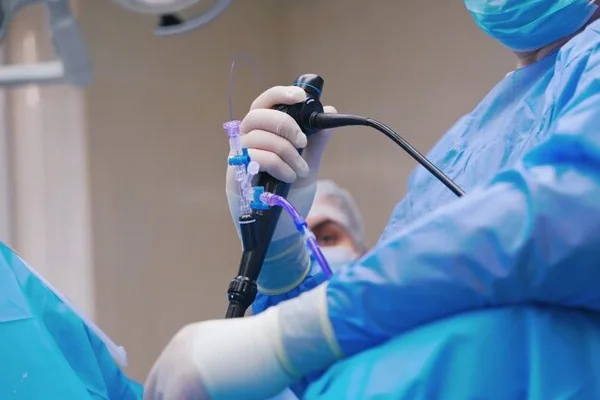
Bleeder Endoscopy in Anand Vihar is an advanced endoscopic procedure used to identify and treat bleeding within the gastrointestinal (GI) tract. Gastrointestinal bleeding can occur due to conditions such as ulcers, enlarged blood vessels, inflammation, polyps, or other abnormalities.
Timely endoscopic evaluation can help identify the source of bleeding and, when appropriate, provide treatment during the same procedure. Dr. Rishi Raman, a senior gastroenterologist, provides comprehensive evaluation and advanced endoscopic care for patients with gastrointestinal bleeding.
What Is Bleeder Endoscopy?
Bleeder endoscopy refers to the use of an endoscope to locate the source of gastrointestinal bleeding and provide endoscopic treatment when possible.
Depending on where the bleeding is suspected, an upper GI endoscopy or colonoscopy may be performed. The endoscope provides direct visualization of the gastrointestinal lining and allows the gastroenterologist to assess the bleeding site.
In suitable cases, treatment can be performed during the endoscopic procedure itself.
Common Causes of Gastrointestinal Bleeding
Gastrointestinal bleeding can occur because of several conditions, including:
- Peptic ulcers
- Gastritis or inflammation
- Esophageal or gastric varices
- Colon polyps
- Diverticular bleeding
- Inflammatory bowel disease
- Hemorrhoids
- Gastrointestinal tumors
- Abnormal blood vessels
- Other gastrointestinal lesions
Identifying the underlying cause is essential for selecting appropriate treatment.
Symptoms of Gastrointestinal Bleeding
GI bleeding may present in different ways depending on its location and severity.
Common warning signs include:
- Vomiting blood
- Black, tarry stools
- Bright red blood in stools
- Maroon-colored stools
- Unexplained weakness
- Dizziness or light-headedness
- Fatigue related to blood loss
- Abdominal discomfort
Vomiting blood, passing large amounts of blood in stool, fainting or severe weakness requires urgent medical evaluation.
When Is Bleeder Endoscopy Recommended?
A gastroenterologist may recommend endoscopic evaluation when there is:
- Evidence of active gastrointestinal bleeding
- Blood in vomit
- Black or tarry stools
- Unexplained anemia
- Recurrent gastrointestinal blood loss
- Suspected ulcer bleeding
- Suspected variceal bleeding
- Bleeding from a known gastrointestinal lesion
The type and urgency of endoscopy depend on the suspected source and severity of bleeding.
How Does Bleeder Endoscopy Work?
During the procedure, a flexible endoscope is used to examine the gastrointestinal tract.
The general process includes:
- Clinical assessment and stabilization when required
- Selection of upper endoscopy or colonoscopy based on the suspected bleeding source
- Appropriate preparation and monitoring
- Introduction of the endoscope
- Identification of the bleeding site
- Assessment of the surrounding tissue
- Endoscopic treatment when appropriate
- Post-procedure monitoring
The exact technique depends on the location and characteristics of the bleeding lesion.
Endoscopic Treatment for GI Bleeding
Several endoscopic techniques can be used to control gastrointestinal bleeding depending on the underlying cause.
These may include:
- Injection therapy
- Mechanical clipping
- Thermal coagulation
- Band ligation for selected variceal bleeding
- Hemostatic devices
- Combination endoscopic techniques
The most suitable treatment is selected based on the source, severity and characteristics of the bleeding.
Benefits of Bleeder Endoscopy
For appropriately selected patients, endoscopic evaluation and treatment can:
- Identify the source of bleeding
- Provide direct visualization of the gastrointestinal tract
- Allow treatment during the same procedure in suitable cases
- Help reduce ongoing blood loss
- Assist in determining the underlying cause
- Reduce the need for more invasive interventions in some situations
Endoscopy is often an important component of the overall management of gastrointestinal bleeding.
Preparation for Bleeder Endoscopy
Preparation depends on whether an upper GI endoscopy or colonoscopy is required and whether the procedure is urgent or planned.
Patients may be advised regarding:
- Fasting
- Current medications
- Blood-thinning medicines
- Medical conditions
- Previous gastrointestinal procedures
- Bowel preparation when colonoscopy is required
In an emergency, stabilization and urgent treatment take priority over routine preparation.
Recovery After Endoscopic Bleeding Treatment
After the procedure, patients may be monitored for recurrent bleeding and other complications.
Depending on the severity of the bleeding and the underlying condition, additional treatment or observation may be required.
Patients should immediately report symptoms such as:
- Recurrent vomiting of blood
- Black or bloody stools
- Severe abdominal pain
- Persistent dizziness
- Fainting
- Significant weakness
Why Choose Dr. Rishi Raman for Bleeder Endoscopy in Anand Vihar?
Dr. Rishi Raman is a senior gastroenterologist specializing in complex gastrointestinal and liver disorders, with expertise in advanced endoscopic procedures.
For patients requiring Bleeder Endoscopy in Anand Vihar, he provides careful assessment of the suspected bleeding source and recommends appropriate endoscopic investigation and treatment based on the patient's condition.
His expertise in procedures including Endoscopy, Colonoscopy, ERCP and EUS supports comprehensive gastrointestinal care.
Comprehensive Gastrointestinal Bleeding Care
Managing gastrointestinal bleeding may require more than controlling the immediate bleeding episode. Identifying and treating the underlying cause is equally important.
Depending on the diagnosis, patients may require:
- Endoscopic treatment
- Medication
- Biopsy or tissue evaluation
- Blood tests
- Liver assessment
- Follow-up endoscopy
- Treatment of the underlying gastrointestinal condition
A personalized treatment plan can help reduce the risk of recurrent bleeding.
When Should You Seek Emergency Care?
Seek immediate medical attention if you experience:
- Vomiting blood
- Large amounts of blood in stool
- Black, tarry stools with weakness or dizziness
- Fainting
- Rapid heartbeat
- Severe weakness
- Symptoms suggesting significant blood loss
Gastrointestinal bleeding can become serious quickly and should not be ignored.
FAQs About Bleeder Endoscopy in Anand Vihar
01. What is bleeder endoscopy?
Bleeder endoscopy is an endoscopic procedure used to locate the source of gastrointestinal bleeding and, when appropriate, treat the bleeding during the procedure.
02. What conditions can cause gastrointestinal bleeding?
Common causes include ulcers, gastritis, varices, polyps, inflammatory bowel disease, abnormal blood vessels and other gastrointestinal conditions.
03. Can bleeding be treated during endoscopy?
Yes. Depending on the source and type of bleeding, techniques such as clips, thermal treatment, injection therapy or band ligation may be used.
04. Is gastrointestinal bleeding an emergency?
It can be. Vomiting blood, significant blood loss, fainting, severe weakness or black stools accompanied by other concerning symptoms require urgent medical evaluation.
05. Is endoscopy required for every case of GI bleeding?
Not necessarily. The need for endoscopy depends on the suspected cause, location and severity of bleeding and the patient's overall condition.
06. Where can I get Bleeder Endoscopy in Anand Vihar?
Patients looking for Bleeder Endoscopy in Anand Vihar can consult Dr. Rishi Raman for specialist evaluation, diagnosis and appropriate endoscopic management of gastrointestinal bleeding.