

Polypectomy
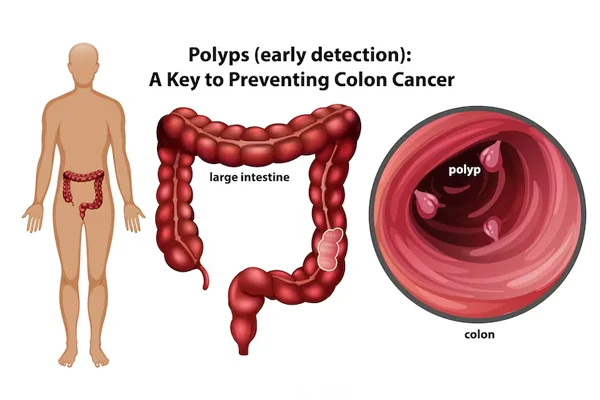
Polypectomy in Anand Vihar is an endoscopic procedure used to remove polyps from the gastrointestinal tract, most commonly from the colon and rectum. Polyps are abnormal tissue growths that may be harmless, precancerous or, less commonly, cancerous. Removing certain polyps can help prevent them from developing into colorectal cancer.
Dr. Rishi Raman, a senior gastroenterologist, provides advanced endoscopic evaluation and polyp removal as part of comprehensive gastrointestinal care.
What Is a Polyp?
A polyp is a growth that develops from the inner lining of the gastrointestinal tract. Colonic polyps are relatively common and are often discovered during colonoscopy.
Many polyps do not cause symptoms. However, some may:
- Bleed
- Cause changes in bowel habits
- Be associated with anemia
- Increase in size over time
- Contain precancerous changes
Because some types of polyps can potentially progress toward colorectal cancer, appropriate evaluation and removal are important.
What Is Polypectomy?
Polypectomy is the process of removing a gastrointestinal polyp using an endoscopic technique.
During a colonoscopy, the gastroenterologist identifies the polyp and uses specialized instruments passed through the endoscope to remove it. The removed tissue can then be sent for histopathological examination to determine its exact nature.
When Is Polypectomy Recommended?
Polypectomy may be recommended when a polyp is identified during:
- Screening colonoscopy
- Diagnostic colonoscopy
- Evaluation of rectal bleeding
- Investigation of unexplained anemia
- Assessment of changes in bowel habits
- Follow-up of previously detected polyps
- Surveillance in patients with a history of colorectal polyps
The decision to remove a polyp depends on factors such as its size, shape, location and appearance.
Types of Polyps
Different types of gastrointestinal polyps can occur. Colorectal polyps may include:
- Adenomatous polyps
- Serrated polyps
- Hyperplastic polyps
- Other less common types
Some polyps have a higher risk of developing precancerous or cancerous changes than others. Histopathology helps determine the appropriate follow-up plan.
How Is Polypectomy Performed?
Polypectomy is usually performed during colonoscopy.
The general process includes:
- Preparation for colonoscopy
- Introduction of a flexible colonoscope
- Examination of the colon and rectum
- Identification and assessment of the polyp
- Removal using an appropriate endoscopic technique
- Retrieval of the removed tissue
- Sending the specimen for laboratory examination when indicated
- Follow-up based on the pathology report
Different techniques may be selected depending on the size and characteristics of the polyp.
Advanced Endoscopic Polyp Removal
Small polyps may often be removed using a snare or other suitable endoscopic device. Larger or more complex lesions may require specialized endoscopic techniques.
The choice of technique depends on:
- Polyp size
- Shape
- Location
- Surface characteristics
- Depth of involvement
- Suspicion of advanced disease
Careful assessment helps determine whether routine polypectomy or a more advanced endoscopic resection technique is appropriate.
Why Is Polyp Removal Important?
Removing appropriate colorectal polyps can help reduce the risk of future colorectal cancer because certain precancerous polyps can gradually develop into cancer if left untreated.
However, not every polyp carries the same level of risk. The pathology report provides important information about the type and characteristics of the removed tissue.
What Happens After Polypectomy?
Most patients are monitored for a period after the procedure before going home, depending on the procedure and sedation used.
You may receive instructions regarding:
- Diet
- Medications
- Physical activity
- Warning signs
- Follow-up appointments
- Pathology results
Your doctor may recommend surveillance colonoscopy at a specific interval depending on the number, size and type of polyps found.
Possible Risks of Polypectomy
Although generally performed using minimally invasive endoscopic techniques, polypectomy can have potential risks.
These may include:
- Bleeding
- Abdominal discomfort
- Rare perforation of the bowel
- Reactions related to sedation
- Incomplete removal in selected complex lesions
The risk varies depending on the size and complexity of the polyp and the technique required.
When Should You Consult a Gastroenterologist?
A gastroenterology consultation may be appropriate if you have:
- Blood in the stool
- Unexplained anemia
- Persistent changes in bowel habits
- Unexplained weight loss
- A family or personal history of colorectal polyps
- A previous abnormal colonoscopy
- A previous history of colorectal polyps requiring surveillance
Your doctor can determine whether colonoscopy or another diagnostic test is appropriate.
Why Choose Dr. Rishi Raman for Polypectomy in Anand Vihar?
Dr. Rishi Raman is a senior gastroenterologist with expertise in advanced endoscopy and comprehensive gastrointestinal care.
For patients seeking Polypectomy in Anand Vihar, he provides careful evaluation of gastrointestinal symptoms and colonoscopy findings before selecting the most appropriate method of polyp removal.
His expertise in Colonoscopy, Endoscopy and advanced gastrointestinal procedures supports accurate diagnosis, appropriate endoscopic treatment and follow-up care.
Comprehensive Colorectal Care
Polypectomy is often only one part of a patient's gastrointestinal care. Depending on the findings, further evaluation may include:
- Histopathology
- Repeat colonoscopy
- Colorectal cancer screening
- Management of gastrointestinal bleeding
- Evaluation of bowel symptoms
- Surveillance for recurrent or new polyps
A personalized follow-up plan helps ensure that significant findings are monitored appropriately.
FAQs About Polypectomy in Anand Vihar
01. What is polypectomy?
Polypectomy is an endoscopic procedure used to remove polyps from the gastrointestinal tract, commonly during colonoscopy.
02. Can all polyps be removed during colonoscopy?
Many polyps can be removed during colonoscopy, but the technique depends on their size, location and appearance. Some complex lesions may require advanced endoscopic resection or another treatment approach.
03. Does polypectomy prevent colorectal cancer?
Removing certain precancerous colorectal polyps can reduce the risk of those particular polyps progressing to colorectal cancer. Appropriate surveillance remains important.
04. Is polypectomy painful?
Polypectomy is generally performed during colonoscopy, with sedation used when appropriate. Patients typically do not feel the actual removal of the polyp.
05. Why is the removed polyp sent for testing?
Histopathological examination helps determine the type of polyp and whether it contains precancerous or cancerous changes. The result can also help determine future surveillance requirements.
06. Where can I get Polypectomy in Anand Vihar?
Patients looking for Polypectomy in Anand Vihar can consult Dr. Rishi Raman for specialist evaluation, colonoscopy and appropriate endoscopic removal of gastrointestinal polyps.