

Dilatation
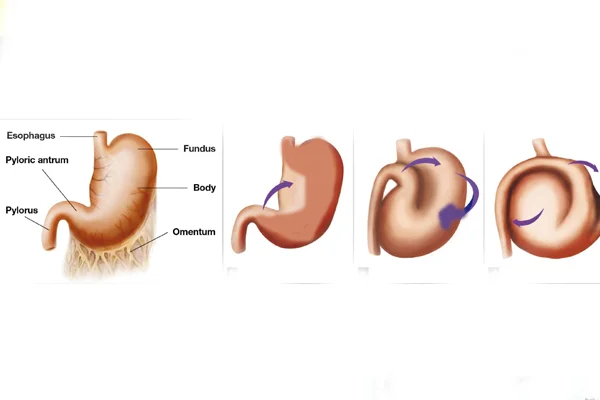
Dilatation in Anand Vihar is an endoscopic treatment used to widen narrowed or constricted areas of the gastrointestinal tract. Gastrointestinal narrowing, also called a stricture or stenosis, can make swallowing or the passage of food and digestive contents difficult.
Depending on the location and cause of the narrowing, endoscopic dilatation may be performed to improve the passage through the affected area. Dr. Rishi Raman, a senior gastroenterologist, provides specialist evaluation and endoscopic management for patients with suitable gastrointestinal strictures.
What Is Gastrointestinal Dilatation?
Gastrointestinal dilatation is a procedure used to gently widen a narrowed segment of the digestive tract.
Narrowing can occur in areas such as:
- Esophagus
- Stomach outlet
- Small intestine
- Colon
The appropriate technique depends on the location, severity and underlying cause of the narrowing.
What Causes Gastrointestinal Strictures?
A gastrointestinal stricture can develop because of several conditions, including:
- Previous inflammation
- Gastroesophageal reflux disease (GERD)
- Crohn's disease
- Previous gastrointestinal surgery
- Radiation-related injury
- Certain infections
- Scar tissue
- Anastomotic narrowing after surgery
- Tumors or other obstructive lesions
Identifying the underlying cause is important before deciding on treatment.
Symptoms of Gastrointestinal Narrowing
Symptoms depend on the location of the stricture.
Esophageal Narrowing
Patients may experience:
- Difficulty swallowing
- Food getting stuck
- Pain while swallowing
- Regurgitation
- Chest discomfort
- Difficulty eating solid foods
Intestinal or Colonic Narrowing
Possible symptoms include:
- Abdominal pain
- Bloating
- Constipation
- Difficulty passing stool or gas
- Vomiting
- Changes in bowel habits
Severe symptoms may indicate significant obstruction and require urgent evaluation.
When Is Dilatation Recommended?
Endoscopic dilatation may be considered when a gastrointestinal narrowing causes clinically significant symptoms or obstruction and is technically suitable for endoscopic treatment.
Your gastroenterologist may recommend dilatation after evaluating:
- Location of the narrowing
- Length and severity of the stricture
- Underlying cause
- Previous procedures
- Endoscopic findings
- Imaging results
- Overall health
Not every narrowing can or should be treated with endoscopic dilatation.
How Is Endoscopic Dilatation Performed?
The procedure is performed using an endoscope and a specialized dilating device.
Depending on the location and type of narrowing, the gastroenterologist may use a balloon dilator or other appropriate dilatation technique.
The general process includes:
- Detailed evaluation of the stricture
- Preparation for endoscopy
- Introduction of the endoscope
- Careful visualization of the narrowed area
- Controlled dilatation using an appropriate device
- Assessment of the treated area
- Monitoring after the procedure
The degree of dilatation is carefully controlled to minimize complications.
Esophageal Dilatation
Esophageal dilatation is commonly performed for patients with symptomatic narrowing of the esophagus.
It may help patients who experience difficulty swallowing due to conditions such as:
- Peptic strictures
- Benign esophageal narrowing
- Post-surgical narrowing
- Certain treatment-related strictures
The underlying cause must be evaluated to determine whether dilatation is appropriate.
Colonic Dilatation
In selected patients, endoscopic dilatation may also be considered for narrowing within the colon.
Potential causes include:
- Post-surgical strictures
- Inflammatory bowel disease
- Anastomotic narrowing
- Other benign strictures
The risks and benefits must be carefully assessed because colonic strictures can sometimes be associated with more serious underlying conditions.
Benefits of Gastrointestinal Dilatation
For appropriately selected patients, endoscopic dilatation may:
- Improve the passage of food or intestinal contents
- Reduce symptoms caused by narrowing
- Improve swallowing in suitable esophageal strictures
- Help relieve obstructive symptoms
- Provide a minimally invasive treatment option
- Potentially delay or avoid surgery in selected cases
Some strictures can recur and may require additional dilatation sessions.
Does Dilatation Require More Than One Session?
Not always. Some patients experience adequate improvement after one procedure, while others may require repeated treatment.
The need for additional sessions depends on:
- Cause of the stricture
- Length and severity
- Location
- Response to the initial procedure
- Underlying inflammatory condition
- Whether scar tissue tends to recur
Follow-up is important when there is a risk of recurrent narrowing.
Preparation Before Dilatation
Preparation depends on the location and type of procedure.
Patients may receive instructions regarding:
- Fasting
- Current medications
- Blood-thinning medicines
- Previous gastrointestinal procedures
- Medical conditions
- Bowel preparation when required
It is important to follow the instructions provided by the treating gastroenterologist.
Recovery After Dilatation
Patients are generally observed for a period following the procedure.
Depending on the location and complexity of the dilatation, temporary symptoms such as mild throat discomfort, bloating or abdominal discomfort may occur.
Patients should seek prompt medical attention if they develop:
- Severe chest or abdominal pain
- Fever
- Persistent vomiting
- Difficulty breathing
- Significant bleeding
- New or worsening difficulty swallowing
Potential Risks of Dilatation
Although endoscopic dilatation is a commonly used treatment for selected strictures, potential complications can occur.
These may include:
- Bleeding
- Perforation
- Pain or discomfort
- Recurrence of the narrowing
- Infection
- Aspiration or sedation-related complications
The risk depends on the location, cause and severity of the stricture and the technique used.
Why Choose Dr. Rishi Raman for Dilatation in Anand Vihar?
Dr. Rishi Raman is a senior gastroenterologist specializing in complex gastrointestinal conditions and advanced endoscopic procedures.
For patients seeking Dilatation in Anand Vihar, he provides detailed evaluation to identify the cause and characteristics of the gastrointestinal narrowing before selecting an appropriate treatment approach.
His expertise in Endoscopy, Colonoscopy, ERCP, EUS and specialized gastrointestinal diagnostics supports comprehensive management of complex digestive conditions.
Comprehensive Stricture Management
Treating a gastrointestinal narrowing may require more than simply widening the affected area. Identifying and managing the underlying cause is essential.
Depending on the condition, treatment may involve:
- Endoscopic evaluation
- Biopsy
- Dilatation
- Medication
- Inflammatory disease management
- Nutritional guidance
- Repeat endoscopy
- Surgical consultation when required
A personalized treatment plan helps address both the narrowing and its underlying cause.
When Should You Consult a Gastroenterologist?
You should consider specialist evaluation if you experience:
- Persistent difficulty swallowing
- Food repeatedly getting stuck
- Unexplained abdominal pain
- Recurrent vomiting
- Persistent bloating
- Changes in bowel habits
- Difficulty passing stool or gas
- Previous surgery followed by obstructive symptoms
Early evaluation can help determine whether a gastrointestinal stricture is present and whether endoscopic treatment may be appropriate.
FAQs About Dilatation in Anand Vihar
01. What is gastrointestinal dilatation?
Gastrointestinal dilatation is an endoscopic procedure used to widen a narrowed portion of the digestive tract and improve the passage of food or intestinal contents.
02. What conditions may require esophageal dilatation?
Esophageal dilatation may be considered for selected symptomatic strictures caused by conditions such as reflux-related scarring, previous procedures or other benign narrowing.
03. Is dilatation a surgical procedure?
No. Endoscopic dilatation is performed through an endoscope and generally does not require an external surgical incision.
04. Can a gastrointestinal stricture come back after dilatation?
Yes. Some strictures can recur, particularly when an underlying inflammatory or scarring condition remains active. Some patients may therefore require repeat treatment.
05. Is gastrointestinal dilatation painful?
The procedure is generally performed with appropriate sedation or anesthesia when required. Temporary discomfort may occur after treatment depending on the location and complexity of the procedure.
06. Where can I get Dilatation in Anand Vihar?
Patients looking for Dilatation in Anand Vihar can consult Dr. Rishi Raman for specialist evaluation of gastrointestinal narrowing and appropriate endoscopic treatment.