

Esophageal Manometry
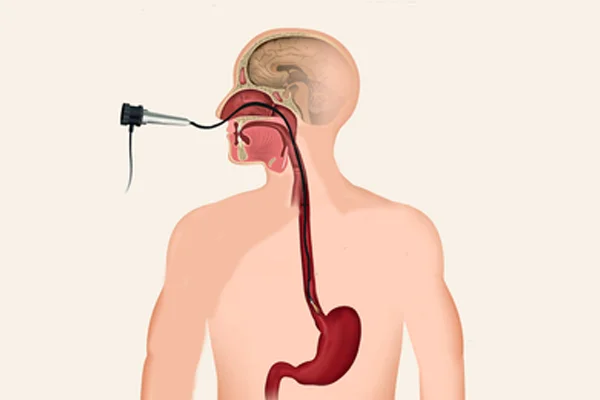
Esophageal Manometry in Anand Vihar is a specialized diagnostic test used to evaluate how the muscles of the esophagus work during swallowing. It measures the pressure, strength and coordination of esophageal muscle contractions and helps identify disorders that may cause difficulty swallowing, chest discomfort or problems with food movement through the esophagus.
Dr. Rishi Raman, a senior gastroenterologist with expertise in specialized Neuro-GI diagnostics, provides comprehensive evaluation for patients with suspected esophageal motility disorders.
What Is Esophageal Manometry?
Esophageal manometry is a specialized test that measures the pressure and movement of the esophagus during swallowing.
The esophagus uses coordinated muscle contractions to move food and liquids from the mouth toward the stomach. When these contractions or the relaxation of the lower esophageal sphincter are abnormal, symptoms such as difficulty swallowing or chest pain may occur.
Manometry helps the gastroenterologist understand whether the esophagus is functioning normally.
When Is Esophageal Manometry Recommended?
Esophageal manometry may be recommended for patients experiencing:
- Difficulty swallowing
- Food sticking in the chest
- Unexplained chest pain
- Regurgitation
- Difficulty swallowing liquids or solids
- Suspected esophageal motility disorder
- Persistent symptoms despite treatment for acid reflux
- Evaluation before selected anti-reflux procedures
It may also be used when previous endoscopy has not adequately explained persistent swallowing symptoms.
Conditions Detected by Esophageal Manometry
Esophageal manometry can help evaluate disorders involving esophageal movement and muscle coordination.
These may include:
- Achalasia
- Esophageal spasm
- Hypercontractile esophagus
- Ineffective esophageal motility
- Other esophageal motility disorders
The test results are interpreted along with the patient's symptoms, endoscopy findings and other investigations.
How Is Esophageal Manometry Performed?
The procedure generally involves placing a thin, flexible catheter through the nose and into the esophagus.
The test typically involves:
- The nose and throat are prepared for the procedure.
- A thin pressure-sensitive catheter is gently passed through the nose.
- The catheter is positioned within the esophagus.
- The patient is asked to swallow small amounts of water.
- Sensors record pressure and muscle contractions during each swallow.
- The catheter is carefully removed after the measurements are completed.
- The recorded data is analyzed by the gastroenterology team.
The procedure does not require an incision.
What Does Esophageal Manometry Measure?
The test provides information about several important aspects of esophageal function, including:
- Strength of esophageal contractions
- Coordination of muscle contractions
- Relaxation of the lower esophageal sphincter
- Pressure within different sections of the esophagus
- Movement of swallowed material through the esophagus
This information can help classify different types of esophageal motility disorders.
Esophageal Manometry for Achalasia
Achalasia is a condition in which the lower esophageal sphincter does not relax normally and the esophageal muscles do not move food effectively into the stomach.
Symptoms can include:
- Difficulty swallowing
- Regurgitation
- Chest discomfort
- Food coming back into the mouth
- Unintentional weight loss in some patients
Esophageal manometry plays an important role in evaluating suspected achalasia and characterizing the type of motility abnormality.
Esophageal Manometry and GERD
Manometry is not primarily a test for diagnosing acid reflux, but it can provide useful information in selected patients with persistent symptoms.
It may be recommended when:
- Reflux symptoms remain unexplained
- Symptoms do not respond as expected to treatment
- A motility disorder is suspected
- Esophageal function needs to be evaluated before certain procedures
Other tests, such as pH impedance monitoring, may be used when objective assessment of reflux is required.
Preparation Before Esophageal Manometry
Patients are generally advised to follow specific preparation instructions before the test.
These may include:
- Fasting for a specified period
- Temporarily adjusting certain medications when instructed
- Informing the doctor about existing medical conditions
- Reporting current gastrointestinal medications
Do not stop prescribed medication unless specifically advised by your treating doctor.
Is Esophageal Manometry Painful?
Esophageal manometry does not usually cause significant pain, although temporary discomfort may occur while the catheter is passed through the nose.
Some patients may experience:
- Nasal discomfort
- Gagging
- Mild throat irritation
- Temporary watering of the eyes
- A sensation of pressure
These sensations generally settle after the catheter is removed.
What Happens After the Test?
Most patients can return to their normal routine relatively quickly after the test, depending on the instructions provided by the medical team.
The recorded measurements are analyzed and interpreted along with the patient's symptoms and other diagnostic findings.
Based on the results, the gastroenterologist may recommend medication, dietary measures, further testing or a specialized treatment approach.
Benefits of Esophageal Manometry
For appropriately selected patients, esophageal manometry can:
- Evaluate esophageal muscle function
- Identify motility disorders
- Help assess suspected achalasia
- Explain certain swallowing difficulties
- Provide objective pressure measurements
- Support treatment planning
- Complement endoscopy and reflux testing
It is particularly useful when structural tests do not fully explain a patient's symptoms.
Why Choose Dr. Rishi Raman for Esophageal Manometry in Anand Vihar?
Dr. Rishi Raman is a senior gastroenterologist with expertise in gastrointestinal disorders and specialized Neuro-GI diagnostics.
His diagnostic expertise includes Esophageal Manometry, Anorectal Manometry, pH Impedance, Electrogastrography and Breath Testing, allowing complex digestive symptoms to be evaluated from both structural and functional perspectives.
For patients seeking Esophageal Manometry in Anand Vihar, he provides individualized evaluation and integrates test results with the patient's overall clinical picture.
Comprehensive Neuro-GI Evaluation
Persistent digestive symptoms can sometimes be caused by abnormalities in gastrointestinal function rather than visible structural disease.
Depending on the symptoms, specialized testing may include:
- Esophageal Manometry
- Anorectal Manometry
- pH Impedance Monitoring
- Electrogastrography
- Breath Testing
- Endoscopy
- Colonoscopy
The appropriate tests depend on the symptoms and suspected underlying condition.
When Should You Consult a Gastroenterologist?
Consider specialist evaluation if you have:
- Persistent difficulty swallowing
- Food frequently sticking while eating
- Unexplained chest discomfort
- Regurgitation
- Persistent reflux symptoms
- Symptoms that remain unexplained after routine investigations
- Suspected esophageal motility problems
A gastroenterologist can determine whether manometry or another specialized diagnostic test is appropriate.
FAQs About Esophageal Manometry in Anand Vihar
01. What is esophageal manometry?
Esophageal manometry is a specialized test that measures pressure and muscle coordination in the esophagus during swallowing.
02. Why is esophageal manometry performed?
It is commonly used to evaluate swallowing difficulties, unexplained chest pain and suspected esophageal motility disorders such as achalasia.
03. Is esophageal manometry painful?
The test is generally well tolerated, although temporary nasal or throat discomfort and gagging may occur while the catheter is being positioned.
04. Can manometry diagnose achalasia?
Yes. Esophageal manometry is an important diagnostic test for evaluating and characterizing achalasia and other esophageal motility disorders.
05. How long does esophageal manometry take?
The duration can vary depending on the testing protocol. Patients are typically monitored while a series of controlled swallows are recorded.
06. Where can I get Esophageal Manometry in Anand Vihar?
Patients looking for Esophageal Manometry in Anand Vihar can consult Dr. Rishi Raman for specialized evaluation of swallowing problems and suspected esophageal motility disorders.