

Anorectal Manometry
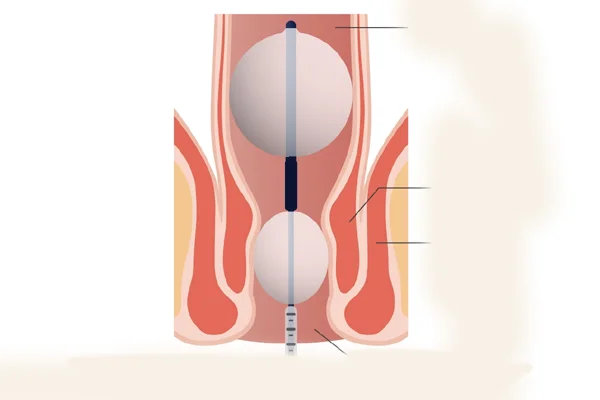
Anorectal Manometry in Anand Vihar is a specialized Neuro-GI diagnostic test used to evaluate how the rectum and anal sphincter muscles function during bowel movements. It measures anal sphincter pressure, rectal sensation, and the coordination of muscles involved in stool passage.
Dr. Rishi Raman offers specialized evaluation for patients experiencing chronic constipation, difficult evacuation, fecal incontinence and suspected pelvic floor or anorectal functional disorders. The test can help identify the underlying functional problem and guide an appropriate treatment plan.
What Is Anorectal Manometry?
Anorectal manometry is a functional test that assesses the strength and coordination of the muscles and nerves involved in defecation. It provides information about:
- Anal sphincter muscle strength
- Resting and squeezing pressures
- Rectal sensation
- Rectal capacity and response to distension
- Coordination between the rectum and anal sphincter
- Ability to relax the pelvic floor during simulated bowel movement
The findings can help distinguish between different causes of constipation and bowel-control problems.
When Is Anorectal Manometry Recommended?
Your gastroenterologist may recommend anorectal manometry when symptoms suggest an underlying functional or pelvic floor disorder.
Common indications include:
- Chronic or persistent constipation
- Difficulty passing stools
- Excessive straining during bowel movements
- Feeling of incomplete evacuation
- Suspected pelvic floor dyssynergia
- Fecal incontinence
- Difficulty controlling bowel movements
- Suspected anorectal muscle dysfunction
- Persistent symptoms despite routine constipation treatment
It may also be useful when other investigations have not adequately explained ongoing bowel symptoms.
Anorectal Manometry for Chronic Constipation
Not all constipation is caused by slow bowel movement through the colon. Some patients have difficulty coordinating the pelvic floor and anal sphincter muscles during defecation.
Anorectal manometry can help evaluate whether the anal sphincter relaxes appropriately when a patient tries to pass stool. Identifying this pattern can be important because treatment may involve pelvic floor retraining and anorectal biofeedback therapy, rather than simply increasing laxatives.
Anorectal Manometry for Fecal Incontinence
Fecal incontinence may occur when a person has difficulty controlling stool or gas. Weakness of the anal sphincter, altered rectal sensation or problems with muscle coordination can contribute to these symptoms.
Anorectal manometry can provide objective information about sphincter function and help the gastroenterologist determine whether further treatment or specialized pelvic floor therapy may be appropriate.
How Is Anorectal Manometry Performed?
Anorectal manometry is generally performed as an outpatient diagnostic procedure.
A thin, flexible catheter with pressure-sensitive sensors is gently inserted into the rectum. The patient is then asked to perform specific actions while the equipment records pressure and muscle responses.
During the examination, you may be asked to:
- Relax normally
- Squeeze the anal muscles
- Relax the muscles
- Bear down as if having a bowel movement
- Report sensations as a small balloon is inflated
A balloon expulsion test may also be performed in selected patients to assess the ability to evacuate.
The exact testing protocol may vary depending on the patient's symptoms and clinical requirements.
What Does the Test Measure?
Anorectal manometry can assess several important aspects of anorectal function, including:
Anal Sphincter Pressure
The test measures resting and squeeze pressures to assess the functional strength of the anal sphincter.
Rectal Sensation
It evaluates how the rectum responds to gradual distension and whether sensation is normal, reduced or unusually sensitive.
Muscle Coordination
The test examines whether the rectal and anal muscles coordinate properly during attempted defecation.
Defecatory Function
The results may help identify patterns associated with difficulty evacuating stool and suspected pelvic floor dysfunction.
Is Anorectal Manometry Painful?
Anorectal manometry is generally well tolerated. Because a small catheter and balloon are used, some patients may experience temporary pressure, fullness or an urge to pass stool.
The procedure does not usually require sedation, allowing the muscles to be assessed while they function naturally. Your doctor will explain the procedure beforehand and help you remain comfortable throughout the examination.
Preparation for Anorectal Manometry
Preparation can vary depending on the testing protocol and your medical condition. Your doctor may provide specific instructions regarding:
- Food and drink before the test
- Regular medications
- Bowel preparation
- Whether an enema is required
- Timing of the appointment
Do not independently stop prescribed medication or undertake bowel preparation unless instructed by your healthcare team.
What Happens After the Test?
Most patients can return to their normal routine after anorectal manometry. The results are reviewed along with your symptoms, medical history and other investigations.
Depending on the findings, your gastroenterologist may recommend:
- Dietary and lifestyle changes
- Medical treatment
- Further gastrointestinal investigations
- Pelvic floor therapy
- Anorectal biofeedback therapy
- Additional Neuro-GI testing
Treatment is based on the underlying cause rather than symptoms alone.
Benefits of Anorectal Manometry
Anorectal manometry can provide valuable functional information that may not be obtained through routine imaging or endoscopy.
Potential benefits include:
- Objective assessment of anal sphincter function
- Evaluation of rectal sensation
- Assessment of pelvic floor coordination
- Better understanding of chronic constipation
- Evaluation of fecal incontinence
- Guidance for biofeedback and pelvic floor therapy
- More personalized functional bowel management
Anorectal Manometry and Biofeedback Therapy
When testing identifies a defecatory coordination problem, anorectal biofeedback therapy may be considered.
Biofeedback focuses on retraining the pelvic floor and anorectal muscles so that patients can learn more effective relaxation and coordination during bowel movements.
Anorectal manometry may therefore play an important role in evaluating patients who could benefit from specialized functional bowel rehabilitation.
Why Choose Dr. Rishi Raman?
Dr. Rishi Raman provides specialized gastroenterology and Neuro-GI diagnostic care for complex and persistent digestive symptoms. His clinical approach combines detailed symptom assessment with appropriate diagnostic testing to understand the underlying cause of gastrointestinal and functional bowel problems.
For patients requiring Anorectal Manometry in Anand Vihar, evaluation can be integrated with other relevant investigations and personalized treatment planning, depending on the clinical situation.
Comprehensive Functional Bowel Care
Persistent constipation, difficult evacuation and fecal incontinence can have multiple causes. A comprehensive evaluation may involve different diagnostic approaches depending on the symptoms.
Dr. Rishi Raman's Neuro-GI diagnostic expertise includes investigations such as:
- Anorectal Manometry
- Esophageal Manometry
- Electrogastrography
- Hydrogen Breath Testing
- Colon Transit Time Study
- pH impedance testing when clinically indicated
This approach helps connect symptoms with objective functional findings and supports individualized treatment.
When Should You Consult a Gastroenterologist?
Consider a gastroenterology consultation if you experience:
- Long-standing constipation
- Persistent difficulty passing stool
- Excessive straining
- A feeling of incomplete bowel evacuation
- Recurrent accidental stool leakage
- Difficulty controlling gas or stool
- Persistent symptoms despite conventional treatment
- Suspected pelvic floor dysfunction
Early evaluation can help determine whether the problem is related to bowel movement, anorectal muscle function, pelvic floor coordination or another gastrointestinal condition.
Frequently Asked Questions
1. What is anorectal manometry used for?
Anorectal manometry evaluates anal sphincter pressure, rectal sensation and coordination during simulated bowel movements. It is commonly used for chronic constipation, difficult evacuation and fecal incontinence.
2. Is anorectal manometry painful?
The test is generally well tolerated. Some patients may experience temporary pressure, fullness or an urge to pass stool while the catheter or balloon is used.
3. How long does anorectal manometry take?
The duration can vary according to the testing protocol and additional assessments performed. Your healthcare team will explain the expected duration before the procedure.
4. Do I need an enema before anorectal manometry?
Preparation varies between patients and testing protocols. An enema may be recommended in some cases, but it should only be used according to the instructions provided by your healthcare team.
5. Can anorectal manometry diagnose the cause of constipation?
It can provide important information about anorectal muscle function and coordination. However, constipation can have multiple causes, so the results are interpreted together with symptoms, medical history and other investigations.
6. Can anorectal manometry lead to biofeedback therapy?
Yes. When the evaluation identifies a suitable pelvic floor coordination problem, anorectal biofeedback therapy may be recommended as part of treatment.