

Anorectal Biofeedback Therapy
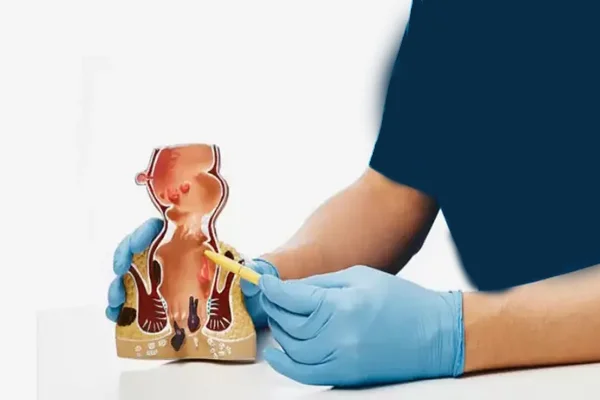
Anorectal Biofeedback Therapy in Anand Vihar is a specialized treatment approach used to retrain the pelvic floor and anorectal muscles for better coordination during bowel movements. It is particularly useful for selected patients with pelvic floor dyssynergia, chronic constipation, difficulty evacuating stool, and certain types of fecal incontinence.
Dr. Rishi Raman provides specialized Neuro-GI evaluation and personalized management for patients with persistent bowel symptoms. When appropriate, anorectal manometry and other functional tests can help determine whether biofeedback therapy may be beneficial.
What Is Anorectal Biofeedback Therapy?
Anorectal biofeedback is a non-surgical, training-based therapy that helps patients understand and improve the way their pelvic floor and anal muscles function.
Some patients with chronic constipation may have difficulty relaxing the anal sphincter while trying to pass stool. Others may have problems coordinating abdominal pressure, rectal muscles and the pelvic floor.
Biofeedback uses visual or other feedback from sensors to help patients recognize their muscle activity and gradually learn better coordination.
Who May Benefit From Anorectal Biofeedback?
Biofeedback therapy may be considered for patients with functional anorectal disorders, particularly when testing supports a coordination problem.
It may be recommended for:
- Pelvic floor dyssynergia
- Chronic constipation caused by difficult evacuation
- Excessive straining during bowel movements
- Feeling of incomplete evacuation
- Difficulty relaxing the anal sphincter
- Selected cases of fecal incontinence
- Certain functional anorectal disorders
The suitability of therapy depends on the underlying cause and individual clinical findings.
Anorectal Biofeedback for Chronic Constipation
Constipation is not always caused by slow movement of stool through the intestine. In some patients, the pelvic floor muscles do not relax appropriately during attempted defecation.
This is sometimes called dyssynergic defecation or pelvic floor dyssynergia.
Biofeedback can help patients learn to:
- Relax the pelvic floor appropriately
- Coordinate abdominal and pelvic muscle activity
- Improve the mechanics of bowel evacuation
- Recognize incorrect muscle contraction
- Develop more effective bowel habits
The objective is not simply to increase bowel movements but to improve the underlying muscle coordination contributing to evacuation difficulty.
Biofeedback for Fecal Incontinence
Fecal incontinence can be associated with problems involving anal sphincter strength, rectal sensation or coordination.
In selected patients, biofeedback may help improve awareness and control of the pelvic floor and anorectal muscles. Treatment is individualized based on the cause of incontinence and findings from clinical evaluation and appropriate testing.
How Does Anorectal Biofeedback Therapy Work?
The therapy usually involves guided exercises with feedback about pelvic floor or anal muscle activity.
Depending on the treatment approach, sensors may be used to monitor muscle contractions and relaxation. The information is displayed to help the patient understand what the muscles are doing.
With guidance from the healthcare professional, the patient practices:
- Identifying the relevant pelvic floor muscles
- Contracting and relaxing them appropriately
- Learning to relax during simulated defecation
- Coordinating abdominal pressure with pelvic floor relaxation
- Improving awareness and control of anorectal function
The exact protocol varies according to the patient's symptoms and diagnostic findings.
Role of Anorectal Manometry
Anorectal manometry can be an important part of evaluating patients who may benefit from biofeedback.
It can assess:
- Anal sphincter pressures
- Rectal sensation
- Squeeze function
- Muscle relaxation
- Coordination during simulated defecation
The results help the gastroenterologist understand the functional problem and determine whether biofeedback or another treatment approach is appropriate.
What Are the Benefits?
For appropriately selected patients, anorectal biofeedback can offer several potential benefits:
- Non-surgical treatment approach
- Focuses on muscle coordination
- Helps improve bowel evacuation technique
- May reduce excessive straining
- Can support better bowel control in selected cases
- Provides individualized muscle-training strategies
- Addresses functional problems rather than relying only on medication
Results can vary depending on the underlying condition, adherence to therapy and individual patient factors.
Is Anorectal Biofeedback Safe?
Anorectal biofeedback is generally considered a low-risk, non-invasive treatment approach. It does not involve surgery and is primarily based on guided exercises and muscle retraining.
Your doctor will first evaluate whether the symptoms are suitable for biofeedback and whether another underlying gastrointestinal or anorectal condition needs to be addressed.
What Can I Expect During Therapy?
The number and frequency of sessions depend on the patient's condition and treatment response.
During sessions, the therapist or healthcare professional may guide you through specific pelvic floor exercises and provide feedback on muscle activity. You may also be given exercises or bowel-management instructions to practice between sessions.
Consistent participation is important because the goal is to develop improved muscle coordination that can eventually be used during everyday bowel movements.
Lifestyle Measures Along With Biofeedback
Depending on the underlying condition, treatment may also include appropriate lifestyle and bowel-management measures such as:
- Adequate fluid intake
- Appropriate dietary fibre
- Regular bowel habits
- Avoiding excessive straining
- Physical activity
- Appropriate medical treatment when required
These recommendations are individualized because increasing fibre or fluids is not suitable as a sole solution for every type of constipation.
Why Choose Dr. Rishi Raman?
Dr. Rishi Raman has specialized expertise in Gastroenterology, Hepatology and Neuro-GI diagnostics, allowing functional digestive symptoms to be assessed beyond routine gastrointestinal investigations.
For patients requiring Anorectal Biofeedback Therapy in Anand Vihar, the treatment approach can be guided by symptoms, clinical examination and relevant functional testing such as anorectal manometry.
The focus is on identifying the underlying problem and developing a personalized treatment strategy rather than treating symptoms in isolation.
Comprehensive Functional Bowel Care
Persistent constipation and bowel-control problems can have different causes. Depending on the clinical situation, evaluation may involve:
- Anorectal Manometry
- Anorectal Biofeedback Therapy
- Colon Transit Time Study
- Colonoscopy
- Electrogastrography
- Other Neuro-GI investigations
A comprehensive evaluation helps determine whether the symptoms are related to pelvic floor dysfunction, altered bowel transit, structural disease or another gastrointestinal condition.
When Should You Consider Biofeedback Therapy?
You may benefit from a specialist evaluation if you have:
- Long-standing constipation
- Difficulty passing stool despite treatment
- Excessive straining
- Repeated incomplete bowel movements
- Difficulty relaxing during defecation
- Recurrent fecal leakage
- Difficulty controlling bowel movements
- Persistent symptoms affecting your daily life
A gastroenterologist can determine whether anorectal biofeedback is appropriate after assessing the underlying cause.
Frequently Asked Questions
1. What is anorectal biofeedback therapy?
It is a non-surgical therapy that uses guided exercises and feedback to help patients improve coordination and control of the pelvic floor and anorectal muscles.
2. Who is a good candidate for anorectal biofeedback?
It may be suitable for selected patients with pelvic floor dyssynergia, difficult evacuation, certain types of chronic constipation or fecal incontinence, particularly when functional testing supports the diagnosis.
3. Is anorectal biofeedback painful?
Biofeedback is generally non-invasive and well tolerated. The experience depends on the specific techniques and equipment used during therapy.
4. Is anorectal manometry required before biofeedback?
Not necessarily in every situation. However, anorectal manometry can provide valuable information about sphincter pressure, rectal sensation and muscle coordination and may help guide therapy.
5. How many biofeedback sessions will I need?
The number of sessions varies according to the underlying condition, severity of symptoms and response to treatment. Your healthcare team can recommend an individualized schedule.
6. Can biofeedback permanently cure constipation?
Biofeedback can be highly useful when constipation is related to pelvic floor coordination problems, but outcomes vary. Long-term improvement also depends on the underlying cause and continued use of appropriate bowel-management techniques.