

Endoscopy
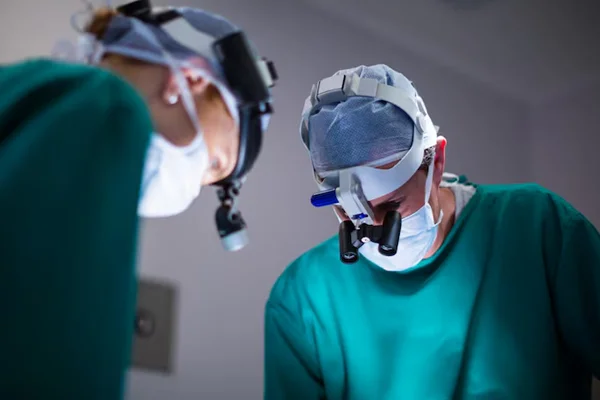
Endoscopy in Anand Vihar is an important diagnostic and therapeutic procedure used to examine the upper gastrointestinal (GI) tract, including the food pipe, stomach and first part of the small intestine. It helps gastroenterologists identify the cause of symptoms such as persistent acidity, abdominal discomfort, difficulty swallowing, vomiting, unexplained anemia and gastrointestinal bleeding.
Dr. Rishi Raman provides comprehensive gastroenterology care with expertise in advanced endoscopic procedures. Depending on the clinical requirement, endoscopy can be used not only for diagnosis but also for procedures such as biopsy, bleeding control and removal of selected foreign bodies or lesions.
What Is an Upper GI Endoscopy?
An upper GI endoscopy, also known as esophagogastroduodenoscopy (EGD), uses a thin, flexible tube called an endoscope with a camera at its tip.
The endoscope is gently passed through the mouth to examine:
- Esophagus
- Stomach
- Duodenum
The camera provides a detailed view of the lining of the upper digestive tract, allowing the doctor to identify abnormalities that may not be detected through routine tests.
When Is Endoscopy Recommended?
Your gastroenterologist may recommend an endoscopy when symptoms require direct evaluation of the upper digestive tract.
Common indications include:
- Persistent acidity or heartburn
- Difficulty or pain while swallowing
- Recurrent vomiting
- Persistent upper abdominal pain
- Unexplained indigestion
- Suspected ulcers
- Gastrointestinal bleeding
- Vomiting blood
- Unexplained anemia
- Suspected inflammation of the stomach or esophagus
- Suspected upper GI tumors or lesions
- Evaluation of certain persistent digestive symptoms
The decision to perform an endoscopy depends on your symptoms, medical history and clinical findings.
Conditions That Can Be Evaluated
Endoscopy can help identify several upper gastrointestinal conditions, including:
Gastritis
Inflammation of the stomach lining may be evaluated directly, and biopsies can sometimes be taken to determine the underlying cause.
Peptic Ulcers
Endoscopy can identify ulcers in the stomach or duodenum and assess signs of bleeding or other complications.
Gastroesophageal Reflux Disease
Endoscopy can evaluate the esophageal lining and identify complications associated with persistent reflux in selected patients.
Esophageal Disorders
The procedure can help detect inflammation, narrowing, ulcers, lesions and other abnormalities affecting the esophagus.
Upper GI Bleeding
Endoscopy can help identify the source of bleeding and, when appropriate, provide endoscopic treatment.
How Is an Endoscopy Performed?
Before the procedure, the healthcare team will provide instructions regarding fasting and medications.
During the procedure:
- You are positioned comfortably.
- The throat may be numbed with a local anesthetic.
- Sedation may be provided when clinically appropriate.
- A thin flexible endoscope is gently introduced through the mouth.
- The esophagus, stomach and duodenum are examined.
- Biopsies or therapeutic procedures may be performed when required.
- The endoscope is carefully removed after the examination.
The procedure is performed under appropriate medical supervision.
Can Biopsy Be Performed During Endoscopy?
Yes. If an abnormal area is identified, small tissue samples can be collected through the endoscope.
A biopsy may be performed to evaluate conditions such as:
- Gastric inflammation
- H. pylori infection
- Certain esophageal or gastric abnormalities
- Suspected tumors or lesions
- Other microscopic changes
Taking a biopsy does not necessarily mean that cancer is suspected. It is often performed to obtain a more accurate diagnosis.
Therapeutic Uses of Endoscopy
Endoscopy is not limited to diagnosis. Selected conditions can also be treated during the procedure.
Depending on the clinical situation, endoscopic treatment may include:
- Control of GI bleeding
- Removal of selected foreign bodies
- Removal of certain polyps or lesions
- Dilatation of selected strictures
- Tissue biopsy
- Other advanced endoscopic interventions
The appropriate technique depends on the condition being treated.
Endoscopy for Gastrointestinal Bleeding
Upper GI bleeding can sometimes result from ulcers, varices, inflammation or other gastrointestinal conditions.
When appropriate, endoscopy can help locate the bleeding source and provide treatment using techniques such as clips, injection or thermal methods.
Vomiting blood or passing black, tarry stools can indicate significant GI bleeding and may require urgent medical assessment.
Preparation Before Endoscopy
Proper preparation helps ensure a safe and effective examination.
You may be advised to:
- Fast for a specified period before the procedure
- Follow instructions regarding regular medications
- Inform the doctor about blood thinners and other medicines
- Report allergies or previous reactions to sedation
- Arrange transportation if sedation is used
Follow the specific preparation instructions provided by your healthcare team rather than relying on general instructions.
Recovery After Endoscopy
After the procedure, you may be observed for a short period, particularly if sedation has been administered.
Temporary effects can include:
- Mild throat discomfort
- Bloating
- A sensation of fullness
- Drowsiness following sedation
If sedation is used, you may need someone to accompany you home and should follow the post-procedure instructions provided by the medical team.
Is Endoscopy Safe?
Upper GI endoscopy is generally considered a safe procedure when performed by trained professionals with appropriate monitoring.
As with any medical procedure, potential risks can include bleeding, infection, reactions to sedation and, rarely, injury or perforation. The level of risk depends on the patient's health and whether therapeutic procedures are performed.
Your doctor will explain the relevant risks and benefits before the procedure.
Why Choose Dr. Rishi Raman?
Dr. Rishi Raman is a senior gastroenterologist with specialized training in Gastroenterology & Hepatology and Advanced Endoscopy. His clinical practice includes advanced procedures such as Endoscopy, Colonoscopy, ERCP and EUS.
For patients seeking Endoscopy in Anand Vihar, the evaluation focuses on accurate diagnosis, appropriate procedural planning and evidence-based management. When necessary, diagnostic endoscopy can be integrated with other gastrointestinal investigations and treatment options.
Comprehensive Gastrointestinal Care
Endoscopy may be combined with other diagnostic or therapeutic procedures depending on the patient's symptoms and clinical requirements.
Dr. Rishi Raman's gastrointestinal services include:
- Endoscopy
- Colonoscopy
- ERCP
- EUS
- Endoscopy
- Colonoscopy
- Polypectomy
- Dilatation
- Foreign Body Removal
- Bleeder Endoscopy
- Advanced Neuro-GI investigations
This comprehensive approach allows patients to receive appropriate evaluation for both common and complex digestive disorders.
When Should You Consider an Endoscopy?
Consult a gastroenterologist if you experience persistent or unexplained symptoms such as:
- Long-standing acidity or heartburn
- Difficulty swallowing
- Recurrent vomiting
- Persistent upper abdominal pain
- Unexplained indigestion
- Vomiting blood
- Black stools
- Unexplained anemia
- Persistent digestive symptoms despite treatment
Some symptoms, particularly gastrointestinal bleeding or significant difficulty swallowing, require prompt medical evaluation.
Frequently Asked Questions
1. What is an upper GI endoscopy?
Upper GI endoscopy is a procedure used to examine the esophagus, stomach and duodenum using a thin flexible camera-equipped tube.
2. Is endoscopy painful?
The procedure is generally well tolerated. Throat numbing and, when appropriate, sedation can help improve comfort during the examination.
3. How long does an endoscopy take?
The examination itself is usually relatively short, although the overall visit may take longer because of preparation, recovery and observation, particularly when sedation is used.
4. Can a biopsy be taken during endoscopy?
Yes. Small tissue samples can be collected during the procedure when required for further laboratory or histopathological evaluation.
5. Can endoscopy treat bleeding?
Yes. In selected cases, endoscopic techniques can be used to identify and control gastrointestinal bleeding during the same procedure.
6. What should I do before an endoscopy?
You will generally need to fast before the procedure and follow specific instructions regarding medications and other preparation. Your healthcare team will provide individualized instructions.