

Liver ICU
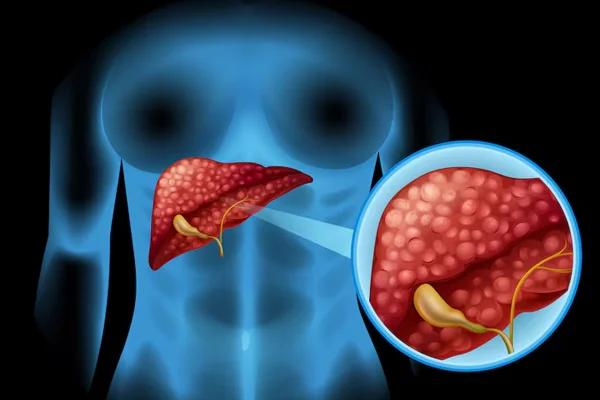
Liver ICU in Anand Vihar provides specialized critical care for patients with severe liver disease and complications that require close monitoring and intensive medical management. Advanced liver-related conditions can sometimes affect multiple organs and may require continuous observation, timely intervention and coordinated specialist care.
Dr. Rishi Raman provides comprehensive Gastroenterology and Hepatology care for patients with complex liver disorders. Depending on the severity of the condition, patients may require intensive care alongside gastroenterology, hepatology and other specialist support.
What Is Liver ICU Care?
Liver ICU care refers to intensive medical management for patients with serious liver-related conditions or complications that require continuous monitoring.
Patients may require this level of care when liver dysfunction is associated with problems involving:
- Brain function
- Kidney function
- Blood pressure and circulation
- Breathing
- Blood clotting
- Severe infection
- Gastrointestinal bleeding
- Fluid accumulation
- Metabolic abnormalities
The specific treatment depends on the patient's condition and the severity of liver dysfunction.
When Is Intensive Liver Care Required?
Patients with advanced or rapidly worsening liver disease may require intensive monitoring when complications develop.
Potential situations include:
- Acute liver failure
- Severe complications of chronic liver disease
- Hepatic encephalopathy
- Gastrointestinal bleeding associated with portal hypertension
- Severe infections in patients with liver disease
- Significant ascites or fluid-related complications
- Kidney dysfunction associated with advanced liver disease
- Severe electrolyte or metabolic abnormalities
- Hemodynamic instability
- Complications following major liver-related procedures
The need for ICU care is determined by the patient's overall clinical condition rather than by a diagnosis alone.
Acute Liver Failure
Acute liver failure is a serious condition in which liver function deteriorates rapidly in a person without established advanced liver disease.
It can be associated with:
- Jaundice
- Altered mental status
- Abnormal blood clotting
- Low blood sugar
- Kidney dysfunction
- Metabolic abnormalities
Patients with suspected acute liver failure require urgent specialist assessment and, when indicated, intensive care and evaluation for advanced liver support or transplantation.
Hepatic Encephalopathy
Hepatic encephalopathy is a complication of significant liver dysfunction in which changes in brain function can occur.
Symptoms may range from mild confusion and changes in sleep patterns to severe drowsiness or loss of consciousness.
Patients with significant alteration in consciousness require urgent medical evaluation because several factors, including infection, gastrointestinal bleeding, constipation, electrolyte abnormalities and medication effects, may contribute.
Gastrointestinal Bleeding in Liver Disease
Advanced liver disease and portal hypertension can increase the risk of gastrointestinal bleeding, including bleeding from esophageal or gastric varices.
Severe bleeding may cause:
- Vomiting blood
- Black, tarry stools
- Dizziness
- Weakness
- Low blood pressure
- Rapid heartbeat
Significant gastrointestinal bleeding is a medical emergency and may require intensive monitoring, blood-product support and urgent endoscopic treatment.
Ascites and Fluid Complications
Ascites refers to abnormal accumulation of fluid in the abdomen and is commonly associated with advanced liver disease.
Severe or complicated ascites may be associated with:
- Abdominal distension
- Breathing difficulty
- Abdominal discomfort
- Infection
- Kidney dysfunction
Selected patients may require procedures such as ascitic tapping (paracentesis) to diagnose infection or relieve significant fluid accumulation.
Kidney Problems in Advanced Liver Disease
Severe liver disease can affect kidney function. A significant decline in kidney function requires careful assessment because dehydration, infection, medications and complications related to advanced liver disease can all contribute.
Patients with severe liver and kidney dysfunction may require coordinated management between hepatology, gastroenterology, critical care and nephrology teams.
What Does Liver ICU Monitoring Include?
Depending on the patient's condition, intensive monitoring may include assessment of:
- Blood pressure and circulation
- Oxygen levels and breathing
- Consciousness and neurological status
- Liver function
- Kidney function
- Blood glucose
- Electrolytes
- Blood clotting parameters
- Infection markers
- Fluid balance
- Gastrointestinal bleeding
The exact monitoring and treatment plan is individualized.
Treatment in Liver Critical Care
Management depends on the underlying liver condition and complications.
Treatment may involve:
- Correction of fluid and electrolyte abnormalities
- Management of infections
- Treatment of hepatic encephalopathy
- Control of gastrointestinal bleeding
- Management of ascites
- Monitoring and support of kidney function
- Nutritional support
- Medication adjustment
- Endoscopic interventions when required
- Coordination with critical care and other specialists
- Evaluation for advanced liver therapies or transplantation when appropriate
The objective is to stabilize the patient while addressing the underlying cause and preventing further complications.
Role of Endoscopy in Liver ICU Care
Patients with advanced liver disease can develop portal hypertension and varices that may bleed significantly.
When clinically appropriate, endoscopic procedures such as Endoscopic Variceal Ligation (EVL) can be used to manage esophageal varices.
Endoscopy may also be required to investigate or treat other sources of gastrointestinal bleeding. The timing and type of procedure depend on the patient's stability and clinical condition.
Why Choose Dr. Rishi Raman?
Dr. Rishi Raman is a senior gastroenterologist with qualifications including MBBS, MD (Internal Medicine), and DM (Gastroenterology & Hepatology), with specialized expertise in complex digestive and liver disorders.
His hepatology practice includes evaluation and management of patients with complicated liver conditions, gastrointestinal bleeding and portal hypertension-related problems. When intensive care is required, treatment can be coordinated according to the patient's clinical needs and involvement of relevant specialists.
Comprehensive Liver & Hepatology Care
Liver-related conditions often require more than a single investigation or procedure. Depending on the patient's condition, comprehensive care may involve:
- Liver disease evaluation
- FibroScan
- Endoscopy
- EVL
- Ascitic tapping
- Management of portal hypertension
- Gastrointestinal bleeding management
- Hepatic encephalopathy evaluation
- Advanced liver disease monitoring
- Coordination of critical and specialist care
A structured approach helps address both the liver condition and its associated complications.
When Is Urgent Medical Attention Needed?
Patients with liver disease should seek urgent medical attention if they develop:
- Vomiting blood
- Black or bloody stools
- Severe confusion or unusual drowsiness
- Loss of consciousness
- Sudden worsening of jaundice
- Severe abdominal swelling or pain
- Difficulty breathing
- Very low blood pressure or fainting
- Significant reduction in urine output
- High fever or suspected severe infection
These symptoms can indicate serious complications requiring immediate medical assessment.
Frequently Asked Questions
1. What is a Liver ICU?
A Liver ICU provides intensive monitoring and medical management for patients with severe liver disease or complications requiring critical care.
2. Which liver conditions may require ICU care?
Severe acute liver failure, advanced liver disease with serious complications, gastrointestinal bleeding, hepatic encephalopathy, severe infections and significant kidney or circulatory problems may require intensive care depending on their severity.
3. Can liver disease cause gastrointestinal bleeding?
Yes. Advanced liver disease can lead to portal hypertension, which may cause esophageal or gastric varices that can bleed. Significant bleeding requires urgent medical evaluation.
4. What is hepatic encephalopathy?
Hepatic encephalopathy is a condition associated with impaired liver function that can cause changes in brain function, ranging from confusion to severe altered consciousness.
5. Is ascites dangerous?
Ascites can range from mild to severe. In advanced liver disease, complications such as infection, breathing difficulty and kidney dysfunction can occur, requiring medical evaluation and treatment.
6. Does every patient with advanced liver disease need ICU care?
No. ICU care is required when the patient's condition or complications require continuous monitoring and intensive medical support. Many patients with chronic liver disease can be managed through regular specialist care.