

Ascitic Tapping
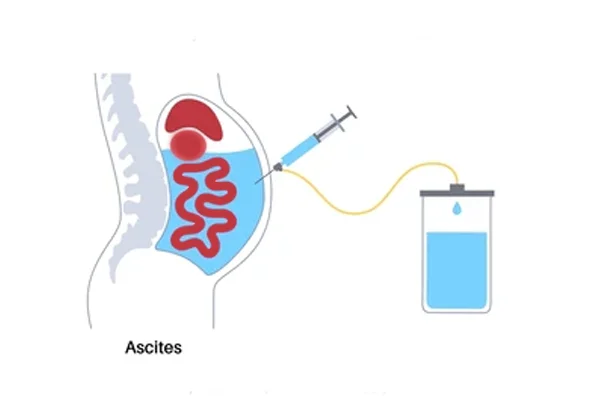
Ascitic Tapping in Anand Vihar, also known as paracentesis, is a medical procedure used to remove fluid that has accumulated inside the abdomen. It can be performed to determine the cause of ascites or, in patients with significant fluid accumulation, to relieve abdominal discomfort and breathing difficulty.
Ascites is commonly associated with advanced liver disease, but it can also occur due to other liver, heart, kidney, cancer-related and infectious conditions. Dr. Rishi Raman provides comprehensive Gastroenterology and Hepatology care for patients requiring evaluation and management of ascites.
What Is Ascitic Tapping?
Ascitic tapping involves inserting a thin needle or catheter through the abdominal wall into the fluid-filled abdominal cavity under appropriate medical supervision.
The procedure may be performed for two main purposes:
- Diagnostic paracentesis: A sample of ascitic fluid is collected for laboratory testing.
- Therapeutic paracentesis: A larger amount of fluid is removed to relieve symptoms caused by significant ascites.
The approach depends on the patient's symptoms, examination findings and underlying condition.
Why Does Ascites Develop?
Ascites refers to abnormal accumulation of fluid within the abdominal cavity. It can develop due to several different conditions.
Common causes include:
- Advanced chronic liver disease
- Cirrhosis
- Portal hypertension
- Certain cancers
- Heart failure
- Kidney-related conditions
- Some infections
- Other disorders affecting fluid balance
Identifying the underlying cause is important because treatment depends on why the fluid has accumulated.
When Is Ascitic Tapping Recommended?
A gastroenterologist may recommend paracentesis when ascites needs further evaluation or when the fluid is causing significant symptoms.
It may be considered for:
- New-onset ascites
- Unexplained abdominal fluid accumulation
- Suspected infection in ascitic fluid
- Significant abdominal distension
- Abdominal discomfort
- Breathing difficulty caused by severe ascites
- Suspected complications of advanced liver disease
- Monitoring selected patients with recurrent or complicated ascites
The decision is based on the patient's overall clinical condition.
Diagnostic Ascitic Tapping
Diagnostic paracentesis can provide important information about the nature of the abdominal fluid.
The collected fluid may be tested for parameters such as:
- Cell count
- Albumin
- Total protein
- Microbiological testing when infection is suspected
- Other investigations based on the clinical situation
These results can help distinguish different causes of ascites and identify potentially serious complications such as spontaneous bacterial peritonitis (SBP).
Therapeutic Ascitic Tapping
When ascites becomes very large or causes significant symptoms, therapeutic paracentesis may be used to remove fluid and provide relief.
Large-volume ascites can cause:
- Severe abdominal distension
- Abdominal pressure
- Difficulty eating
- Reduced mobility
- Shortness of breath
- General discomfort
Removing fluid can reduce abdominal pressure and improve symptoms in appropriately selected patients.
How Is Ascitic Tapping Performed?
The procedure is performed using sterile precautions.
Generally:
- The patient is positioned comfortably.
- The abdomen is examined and an appropriate site is selected.
- The skin is cleaned and local anesthesia is administered.
- A needle or catheter is carefully introduced into the abdominal cavity.
- Ascitic fluid is collected for testing or drained when therapeutic removal is required.
- The catheter is removed and the site is appropriately dressed.
Ultrasound guidance may be used when appropriate to help identify the fluid and improve procedural safety.
Is Ascitic Tapping Painful?
Local anesthesia is generally used to reduce discomfort during the procedure. Patients may experience some pressure or mild discomfort during needle or catheter placement.
The experience can vary depending on the amount of fluid, the patient's condition and the type of procedure being performed.
What Happens After the Procedure?
After paracentesis, the medical team may monitor the patient for a period of time depending on the amount of fluid removed and their overall health.
Aftercare may include monitoring:
- Blood pressure
- Pulse
- Abdominal symptoms
- The puncture site
- Fluid balance
- Other relevant clinical parameters
Patients undergoing large-volume fluid removal may require additional medical management depending on their condition.
Benefits of Ascitic Tapping
When appropriately indicated, ascitic tapping can provide important diagnostic and therapeutic benefits.
Helps Identify the Cause
Analysis of ascitic fluid can provide information that helps determine why fluid has accumulated.
Detects Infection
Testing can help identify infection within the ascitic fluid, which may require urgent treatment.
Relieves Abdominal Pressure
Therapeutic fluid removal can reduce discomfort and abdominal distension in patients with significant ascites.
Supports Liver Disease Management
For patients with advanced liver disease, paracentesis can be an important part of managing complicated or recurrent ascites.
Ascites and Liver Disease
Ascites is one of the common complications of advanced cirrhosis and portal hypertension. Recurrent or difficult-to-control ascites requires careful evaluation rather than repeated fluid removal alone.
Depending on the underlying condition, management may include:
- Dietary and lifestyle recommendations
- Diuretic medications
- Management of liver disease
- Infection evaluation and treatment
- Therapeutic paracentesis
- Assessment for other advanced therapies when appropriate
Treatment is individualized according to the severity and cause of ascites.
Risks and Safety
Ascitic tapping is generally performed safely when appropriate precautions are followed. However, as with any invasive procedure, potential complications can occur.
Possible risks include:
- Bleeding
- Infection
- Leakage of fluid from the puncture site
- Injury to nearby structures
- Changes in blood pressure or fluid balance after large-volume drainage
The risk profile depends on the patient's medical condition and the nature of the procedure.
Why Choose Dr. Rishi Raman?
Dr. Rishi Raman is a senior gastroenterologist with qualifications including MBBS, MD (Internal Medicine), and DM (Gastroenterology & Hepatology), with clinical expertise in complex gastrointestinal and liver disorders.
For patients requiring Ascitic Tapping in Anand Vihar, evaluation focuses on identifying the underlying cause of ascites, determining whether fluid analysis or therapeutic drainage is appropriate, and planning further liver and gastrointestinal management.
Comprehensive Liver & Hepatology Care
Ascites can be a manifestation of a more complex underlying condition. Comprehensive evaluation may include:
- Liver disease assessment
- FibroScan
- Ascitic fluid analysis
- Endoscopy
- Endoscopic Variceal Ligation (EVL)
- Gastrointestinal bleeding evaluation
- Hepatic encephalopathy management
- Portal hypertension assessment
- Advanced liver disease monitoring
This integrated approach helps address both the fluid accumulation and its underlying cause.
When Should You Seek Medical Attention?
Patients with known liver disease and ascites should seek prompt medical evaluation if they develop:
- Fever or chills
- New or worsening abdominal pain
- Sudden increase in abdominal swelling
- Confusion or unusual drowsiness
- Vomiting blood
- Black stools
- Difficulty breathing
- Significant weakness or dizziness
- Reduced urine output
These symptoms can indicate complications requiring urgent assessment.
Frequently Asked Questions
1. What is ascitic tapping?
Ascitic tapping, or paracentesis, is a procedure in which fluid is removed from the abdominal cavity for testing or symptom relief.
2. Why is ascitic fluid tested?
Fluid analysis can help determine the cause of ascites and identify complications such as infection.
3. Is ascitic tapping painful?
Local anesthesia is generally used. Some pressure or mild discomfort may be experienced during the procedure.
4. Can ascitic tapping relieve abdominal swelling?
Yes. Therapeutic paracentesis can remove excess abdominal fluid and may relieve pressure, distension and related discomfort in appropriately selected patients.
5. Is ascites always caused by liver disease?
No. Although advanced liver disease is a common cause, ascites can also occur due to heart, kidney, cancer-related, infectious and other medical conditions.
6. Can ascites come back after tapping?
Yes. Paracentesis removes the accumulated fluid but does not necessarily treat the underlying cause. Recurrent ascites requires evaluation and long-term management of the underlying condition.