

Colonoscopy
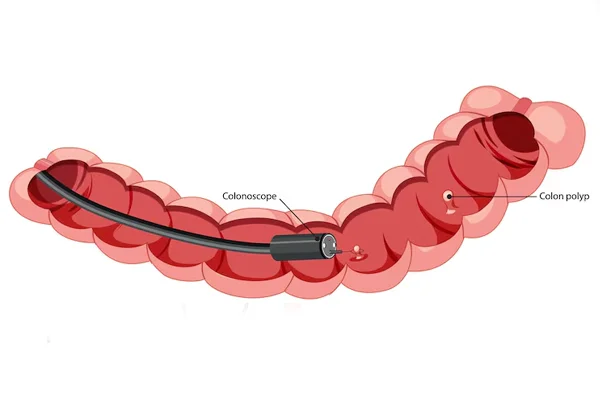
Colonoscopy in Anand Vihar is an advanced diagnostic and therapeutic procedure used to examine the lining of the large intestine, including the rectum and colon. It helps identify conditions such as polyps, inflammation, unexplained bleeding, chronic bowel changes and other abnormalities of the lower gastrointestinal tract.
Dr. Rishi Raman provides comprehensive gastroenterology care with expertise in Colonoscopy, Colonoscopy, Endoscopy, ERCP and EUS. Depending on the patient's symptoms and clinical requirements, colonoscopy may be used for both diagnosis and treatment.
What Is a Colonoscopy?
A colonoscopy is performed using a thin, flexible instrument called a colonoscope, which has a camera and light at its tip.
The colonoscope is carefully passed through the rectum to examine the:
- Rectum
- Large intestine
- Colon
- Terminal ileum in selected cases
The procedure allows the gastroenterologist to directly visualize the intestinal lining and identify abnormalities that may not be detected through routine tests.
When Is Colonoscopy Recommended?
A gastroenterologist may recommend colonoscopy for several symptoms and conditions, including:
- Persistent changes in bowel habits
- Blood in the stool
- Unexplained rectal bleeding
- Chronic diarrhea
- Persistent constipation in selected cases
- Unexplained abdominal pain
- Unexplained anemia
- Suspected inflammatory bowel disease
- Suspected colon polyps
- Follow-up of previously detected polyps
- Evaluation of abnormal imaging or test results
- Colorectal cancer screening based on age and individual risk
The need for colonoscopy depends on the patient's symptoms, age, medical history and risk factors.
Colonoscopy for Colon Polyps
Colon polyps are growths that develop on the inner lining of the colon. Some types of polyps can gradually develop into colorectal cancer over time.
During colonoscopy, selected polyps can be removed through a procedure called polypectomy.
The removed tissue can then be sent for histopathological examination to determine its type and characteristics.
Colonoscopy for Gastrointestinal Bleeding
Colonoscopy can help identify the source of bleeding from the lower gastrointestinal tract.
Possible causes include:
- Polyps
- Hemorrhoids
- Diverticular disease
- Inflammatory bowel disease
- Vascular abnormalities
- Colorectal lesions
- Other sources of intestinal bleeding
In selected cases, treatment of the bleeding source can be performed during the same procedure.
Colonoscopy for IBD
Colonoscopy plays an important role in evaluating and monitoring Inflammatory Bowel Disease (IBD), including:
- Ulcerative colitis
- Crohn's disease involving the colon
It can help assess inflammation, mucosal changes and disease extent. Biopsies may also be taken even when the intestinal lining appears relatively normal because microscopic changes can provide important diagnostic information.
How Is a Colonoscopy Performed?
Before the procedure, the colon needs to be adequately cleaned so that the intestinal lining can be examined clearly.
During the procedure:
- The patient is positioned appropriately.
- Sedation may be provided when clinically appropriate.
- The colonoscope is gently introduced through the rectum.
- The instrument is advanced through the colon.
- The intestinal lining is carefully examined.
- Biopsies or therapeutic procedures may be performed when required.
- The colonoscope is gradually withdrawn while the lining is examined again.
The procedure is performed under appropriate medical monitoring.
Can Polyps Be Removed During Colonoscopy?
Yes. One of the major advantages of colonoscopy is that certain polyps can be removed during the same procedure.
Depending on the size, shape and location of the polyp, techniques may include:
- Snare polypectomy
- Biopsy removal for selected small lesions
- Advanced endoscopic removal techniques for appropriate lesions
Larger or complex lesions may require specialized endoscopic assessment and treatment planning.
Can Biopsy Be Taken During Colonoscopy?
Yes. Small tissue samples can be collected during colonoscopy when clinically indicated.
Biopsy may be useful for evaluating:
- Inflammatory bowel disease
- Microscopic inflammation
- Unexplained diarrhea
- Abnormal mucosal changes
- Suspected tumors or lesions
- Other intestinal disorders
A biopsy is a routine diagnostic tool and does not necessarily mean cancer is suspected.
Preparation Before Colonoscopy
Proper bowel preparation is essential for a high-quality examination.
Your doctor will provide specific instructions regarding:
- The bowel-cleansing preparation
- Clear-liquid intake
- Fasting
- Regular medications
- Blood-thinning medicines
- Diabetes medications when applicable
Inadequate bowel preparation can make it difficult to see the intestinal lining and may require the examination to be repeated.
Follow the preparation instructions provided by your healthcare team carefully.
Is Colonoscopy Painful?
Colonoscopy is generally well tolerated, and sedation may be used when appropriate to improve comfort.
Some patients may experience temporary:
- Bloating
- Abdominal pressure
- Gas
- Mild cramping
The level of discomfort varies depending on the individual and the nature of the procedure.
Recovery After Colonoscopy
Following the procedure, you may be observed for a short period.
Temporary bloating or mild abdominal discomfort can occur because of air or gas introduced during the examination.
If sedation has been administered, you may need someone to accompany you home and should follow the post-procedure instructions provided by your medical team.
Benefits of Colonoscopy
Colonoscopy provides several important diagnostic and therapeutic advantages:
- Direct visualization of the colon
- Detection of polyps
- Removal of selected polyps
- Biopsy of abnormal areas
- Evaluation of unexplained bleeding
- Assessment of inflammatory bowel disease
- Investigation of persistent bowel symptoms
- Screening for colorectal cancer according to individual risk
- Treatment of selected abnormalities during the same procedure
Risks and Complications
Colonoscopy is generally considered safe, but complications can occasionally occur.
Potential risks include:
- Bleeding
- Infection
- Abdominal discomfort
- Reaction to sedation
- Rarely, perforation of the intestine
- Complications related to therapeutic procedures
The risk can vary depending on the patient's health and whether biopsies, polypectomy or other interventions are performed.
Colonoscopy and Colorectal Cancer Screening
Colorectal cancer can develop from certain types of colon polyps over time. Colonoscopy allows doctors to identify and remove many precancerous polyps before they progress.
Screening recommendations vary according to age, family history, previous polyps and other risk factors. Your gastroenterologist can help determine whether screening colonoscopy is appropriate for you.
Why Choose Dr. Rishi Raman?
Dr. Rishi Raman is a senior gastroenterologist with MBBS, MD (Internal Medicine), and DM (Gastroenterology & Hepatology) qualifications and specialized training in advanced endoscopy.
His expertise includes Colonoscopy, Colonoscopy, Endoscopy, ERCP and EUS, allowing patients to receive comprehensive evaluation of gastrointestinal disorders.
For patients seeking Colonoscopy in Anand Vihar, the procedure is planned according to the patient's symptoms, medical history, risk factors and diagnostic requirements.
Comprehensive Lower GI Care
Colonoscopy can be part of a broader diagnostic and therapeutic approach. Depending on the patient's condition, related services may include:
- Colonoscopy
- Sigmoidoscopy
- Polypectomy
- Bleeder Endoscopy
- IBD Care
- IBS Care
- Bowel Ultrasound
- Colon Transit Time Study
- Advanced endoscopic lesion removal
This comprehensive approach allows investigation and management to be tailored to individual gastrointestinal needs.
When Should You Consult a Gastroenterologist?
Consider a gastroenterology consultation if you experience:
- Blood in the stool
- Persistent changes in bowel habits
- Unexplained weight loss
- Persistent abdominal pain
- Chronic diarrhea
- Persistent constipation
- Unexplained anemia
- A family history of colorectal cancer
- Previous colon polyps
- Symptoms suggestive of inflammatory bowel disease
Prompt evaluation is particularly important when gastrointestinal bleeding, unexplained weight loss or significant changes in bowel habits are present.
Frequently Asked Questions
1. What is a colonoscopy used for?
Colonoscopy is used to examine the colon and rectum for polyps, inflammation, bleeding, tumors and other abnormalities. It can also allow biopsies and removal of selected polyps.
2. Is colonoscopy painful?
The procedure is generally well tolerated. Sedation may be used when appropriate to improve comfort, although temporary bloating or mild cramping can occur afterward.
3. How should I prepare for a colonoscopy?
You will usually need bowel-cleansing preparation and specific dietary and fasting instructions. Medication adjustments may also be required depending on your health and medicines.
4. Can polyps be removed during colonoscopy?
Yes. Many suitable polyps can be removed during the same colonoscopy using specialized endoscopic techniques.
5. How long does a colonoscopy take?
The duration varies depending on bowel preparation, anatomy and whether biopsies or therapeutic procedures are required. The overall appointment also includes preparation and recovery time.
6. How often should I have a colonoscopy?
The appropriate interval depends on your age, screening status, family history, previous polyp findings and other risk factors. Your gastroenterologist can recommend an appropriate schedule based on your individual situation.