

Sigmoidoscopy
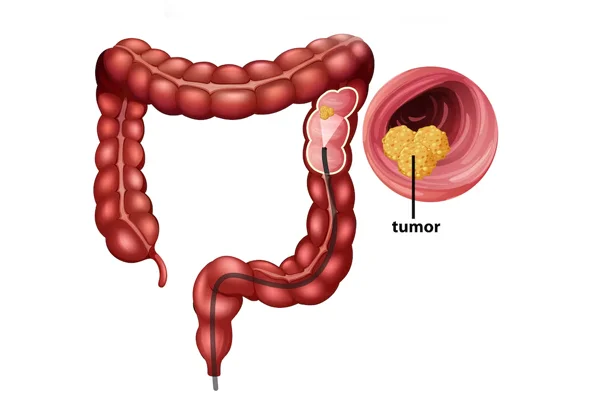
Sigmoidoscopy in Anand Vihar is an endoscopic procedure used to examine the lower part of the large intestine, including the rectum and sigmoid colon. It can help evaluate symptoms such as rectal bleeding, persistent changes in bowel habits, unexplained lower abdominal discomfort and suspected inflammation or lesions.
Dr. Rishi Raman provides comprehensive gastroenterology care with expertise in lower gastrointestinal investigations and advanced endoscopic procedures. Depending on the patient's symptoms and clinical findings, sigmoidoscopy may be used for diagnosis, biopsy and selected therapeutic interventions.
What Is Sigmoidoscopy?
Sigmoidoscopy uses a thin, flexible instrument called a sigmoidoscope with a camera and light at its tip.
Unlike a full colonoscopy, which examines the entire colon, sigmoidoscopy primarily evaluates the:
- Rectum
- Sigmoid colon
- Lower portion of the large intestine
It can provide a direct view of the intestinal lining and help identify abnormalities in this region.
When Is Sigmoidoscopy Recommended?
A gastroenterologist may recommend sigmoidoscopy when symptoms or previous test results suggest a problem in the lower part of the colon.
Common indications include:
- Rectal bleeding
- Blood or mucus in stool
- Persistent changes in bowel habits
- Lower abdominal discomfort
- Suspected proctitis
- Suspected left-sided ulcerative colitis
- Follow-up of previously identified abnormalities
- Evaluation of selected bowel symptoms
- Biopsy of suspicious or inflamed areas
The choice between sigmoidoscopy and full colonoscopy depends on the patient's symptoms, medical history and diagnostic requirements.
Conditions That Can Be Evaluated
Sigmoidoscopy can help evaluate several conditions affecting the rectum and lower colon.
Proctitis
Inflammation of the rectal lining can cause bleeding, mucus, urgency and discomfort. Sigmoidoscopy can help visualize inflammation and allow biopsies when required.
Ulcerative Colitis
In patients with suspected or known ulcerative colitis, sigmoidoscopy can help assess inflammation, particularly when symptoms primarily involve the rectum and left side of the colon.
Rectal Bleeding
Sigmoidoscopy may help identify potential causes of lower GI bleeding, including inflammation, polyps, lesions and other abnormalities.
Colon Polyps
Selected polyps within the examined portion of the colon can be identified and, when appropriate, removed or biopsied.
How Is Sigmoidoscopy Performed?
The procedure is performed under appropriate medical supervision.
Generally:
- The patient receives preparation instructions before the procedure.
- The lower bowel is cleaned according to the recommended protocol.
- The patient is positioned appropriately.
- Sedation may be considered depending on the clinical situation and procedure requirements.
- The sigmoidoscope is gently inserted through the rectum.
- The rectum and sigmoid colon are examined.
- Biopsies or selected therapeutic procedures may be performed.
- The instrument is carefully withdrawn.
The exact procedure and preparation can vary between patients.
Can Biopsy Be Taken During Sigmoidoscopy?
Yes. If inflammation, an abnormal area or another finding requires further evaluation, small tissue samples can be collected through the scope.
Biopsy can help evaluate:
- Inflammatory bowel disease
- Microscopic inflammation
- Unusual mucosal changes
- Suspected lesions
- Other disorders affecting the lower colon
The tissue is typically sent for laboratory or histopathological examination.
Can Polyps Be Removed During Sigmoidoscopy?
Selected polyps within the area being examined may be removed during the procedure.
Depending on the size, appearance and location of the polyp, the gastroenterologist may perform a biopsy or polypectomy. Larger or more complex lesions may require additional assessment or a different endoscopic approach.
Sigmoidoscopy vs Colonoscopy
Both procedures examine the large intestine, but they have different scopes.
| Sigmoidoscopy | Colonoscopy |
|---|---|
| Examines the rectum and sigmoid/lower colon | Examines the entire colon |
| Generally involves a more limited examination | Provides a complete large-bowel examination |
| May require a more limited bowel preparation in some situations | Usually requires full bowel preparation |
| Useful for selected lower-GI symptoms | Used for broader evaluation and colorectal cancer screening |
Your gastroenterologist will recommend the appropriate procedure based on your symptoms and clinical needs.
Preparation Before Sigmoidoscopy
Preparation depends on the planned examination and your individual condition.
You may receive instructions regarding:
- Dietary restrictions
- Bowel preparation
- Enema when appropriate
- Fasting
- Regular medications
- Blood-thinning medications
Do not stop prescribed medication unless specifically instructed by your healthcare team.
Is Sigmoidoscopy Painful?
Sigmoidoscopy is generally well tolerated. Some patients may experience temporary pressure, bloating, cramping or an urge to pass stool while the instrument is being introduced.
Sedation may be considered in selected situations depending on the patient's comfort, clinical condition and procedural requirements.
Recovery After Sigmoidoscopy
Most patients can resume normal activities relatively quickly after the procedure, depending on whether sedation was used.
Temporary symptoms such as mild bloating or abdominal discomfort may occur.
If sedation is administered, you may need an accompanying person and should follow the post-procedure instructions provided by the medical team.
Benefits of Sigmoidoscopy
Sigmoidoscopy can provide several important benefits:
- Direct examination of the rectum and sigmoid colon
- Evaluation of rectal bleeding
- Assessment of lower intestinal inflammation
- Detection of selected polyps and lesions
- Ability to take biopsies
- Removal of selected polyps
- Useful assessment of certain inflammatory bowel conditions
- More focused evaluation when symptoms involve the lower colon
Risks and Complications
Sigmoidoscopy is generally considered safe, but potential complications can occur.
Possible risks include:
- Mild abdominal discomfort
- Bloating
- Bleeding, particularly after biopsy or polyp removal
- Infection
- Reaction to sedation when used
- Rarely, perforation of the bowel
Your doctor will discuss relevant risks based on the procedure planned and your individual health.
Why Choose Dr. Rishi Raman?
Dr. Rishi Raman is a senior gastroenterologist with MBBS, MD (Internal Medicine), and DM (Gastroenterology & Hepatology) qualifications and specialized training in advanced endoscopy.
His expertise includes Colonoscopy, Sigmoidoscopy, Endoscopy, ERCP and EUS, allowing patients to receive comprehensive evaluation of gastrointestinal conditions.
For patients seeking Sigmoidoscopy in Anand Vihar, the procedure is selected according to symptoms, clinical findings and the area of the bowel requiring evaluation.
Comprehensive Lower GI Care
Depending on the patient's condition, sigmoidoscopy may be integrated with other gastrointestinal services, including:
- Colonoscopy
- Colonoscopy
- IBD Care
- IBS Care
- Polypectomy
- Bleeder Endoscopy
- Bowel Ultrasound
- Colon Transit Time Study
- Advanced endoscopic procedures
A personalized diagnostic approach helps determine whether a focused examination or complete colon evaluation is more appropriate.
When Should You Consult a Gastroenterologist?
You should consider a gastroenterology consultation if you experience:
- Persistent rectal bleeding
- Blood or mucus in stool
- New or persistent changes in bowel habits
- Recurrent lower abdominal discomfort
- Persistent urgency to pass stool
- Symptoms suggestive of inflammatory bowel disease
- Unexplained anemia
- Previous abnormal lower-GI test results
Significant or persistent rectal bleeding should be medically evaluated rather than assumed to be caused by hemorrhoids.
Frequently Asked Questions
1. What is sigmoidoscopy used for?
Sigmoidoscopy is used to examine the rectum and lower part of the colon. It can help investigate bleeding, inflammation, bowel changes and selected lesions.
2. Is sigmoidoscopy the same as colonoscopy?
No. Sigmoidoscopy examines a limited portion of the large intestine, mainly the rectum and sigmoid colon, whereas colonoscopy examines the entire colon.
3. Can a biopsy be taken during sigmoidoscopy?
Yes. Small tissue samples can be taken when inflammation or an abnormal area requires further evaluation.
4. Can polyps be removed during sigmoidoscopy?
Selected polyps within the examined area can be removed or biopsied during the procedure, depending on their size and characteristics.
5. How should I prepare for sigmoidoscopy?
Preparation varies according to the procedure and your medical condition. You may receive instructions regarding diet, bowel cleansing, enema, fasting and medications.
6. Is sigmoidoscopy painful?
It is generally well tolerated, although temporary pressure, cramping, bloating or an urge to pass stool can occur. Sedation may be considered in selected cases.